Build secure, scalable iOS, Android and cross-platform applications around your users, workflows, data and business model—not around the limits of an app template. DreamzTech delivers full-lifecycle custom mobile app development, from product strategy and UX through engineering, integrations, testing, App Store and Google Play launch, modernization and long-term support.


From customer-facing apps and startup MVPs to field-service, enterprise and connected-device applications, DreamzTech builds custom mobile products around how your users actually work, buy, communicate and interact on the move.
Create intuitive mobile experiences for commerce, booking, loyalty, content, subscriptions, payments, customer service and other high-frequency user journeys.
Give employees, technicians, sales teams and operations staff secure mobile access to workflows, approvals, inventory, jobs, forms, documents, dashboards and business systems.
Turn a product idea into a testable, production-ready MVP with a focused feature set, scalable architecture and a roadmap that supports growth after validation.
Build multi-role mobile products for customers, providers, drivers, vendors or partners with onboarding, search, matching, booking, payments, notifications and administration.
Connect mobile users with GPS, cameras, barcode and QR scanning, Bluetooth devices, sensors and operational systems for location-aware workflows, data capture, control and real-time visibility.
Add conversational assistants, recommendations, document or image understanding, intelligent search, voice experiences and workflow automation where AI creates measurable value.
Once we understand the users, business model and operating environment, our team handles the work required to deliver the product: UX, architecture, native or cross-platform engineering, backend APIs, integrations, cloud infrastructure, QA, deployment and long-term optimization.
Build high-performance platform-specific applications with Swift and SwiftUI for Apple devices and Kotlin with Jetpack Compose for Android, when native performance, device access or platform-specific experiences matter most.
Use Flutter, React Native or another suitable cross-platform approach when shared code, faster multi-platform delivery and simpler long-term maintenance make more business sense than separate native codebases.
Create secure applications for field service, operations, inspections, workforce workflows, sales, inventory, approvals, reporting and mobile access to ERP, CRM or other enterprise systems.
Connect mobile experiences with ERP, CRM, payments, identity, logistics, maps, analytics, cloud services, IoT platforms and internal systems through secure APIs and integration layers.
Modernize aging iOS or Android applications, replace unsupported frameworks, improve UX, refactor architecture, migrate backend services, strengthen security and progressively move legacy apps to current technologies.
Validate functionality across devices, test APIs and critical workflows, prepare production releases, support App Store and Google Play deployment, monitor stability and continue feature, OS and dependency updates after launch.
The services above define what we deliver. These capabilities show the technical depth we bring to design, engineer, connect, launch and evolve a custom mobile application.
Research user journeys, prototype critical flows and build mobile design systems that support consistency, accessibility and fast iteration.
Choose Swift and SwiftUI, Kotlin and Jetpack Compose, Flutter, React Native or a mixed approach according to performance, platform, feature and maintenance needs.
Build and connect APIs, authentication, databases, event-driven workflows, WebSockets and cloud services for reliable data exchange between apps and business systems.
Use camera, GPS, maps, biometrics, Bluetooth, QR and barcode scanning, push notifications, files and other device capabilities where the workflow requires them.
Support environments, automated builds, signing, release pipelines, monitoring, crash reporting, backend deployment and scalable cloud infrastructure.
Integrate LLM-powered assistants, document intelligence, computer vision, recommendations, predictive models, search and voice experiences where they improve a real user or business outcome.
Custom mobile application development makes the most sense when user experience, workflow automation, integrations, security or product differentiation directly affect revenue, service quality or operating efficiency.
Design navigation, actions, data capture and notifications around real user behavior instead of forcing the business into the assumptions of an off-the-shelf application.
Let users complete work from the field while the application stays connected to ERP, CRM, inventory, payments, scheduling, identity, analytics or custom backend systems.
Turn cameras, GPS, biometrics, Bluetooth, barcode and QR scanning and offline storage into useful workflow tools rather than standalone features.
Use modular architecture, secure APIs, maintainable code and cloud infrastructure so the application can support more users, features, locations, integrations and markets over time.
These are real DreamzTech engagements where mobile users, live data, device features and central business systems had to work as one product.
A cloud SaaS platform with a driver mobile app for vehicle tracking, fleet operations, load management and driver administration, using real-time GPS and IoT, geofencing alerts, optimized navigation, digital proof of delivery and on-road expense capture. It reduced manual operations by 40% and increased driver productivity by 30%, and shows the architecture required when mobile users, live location data and a central platform must work as one system.
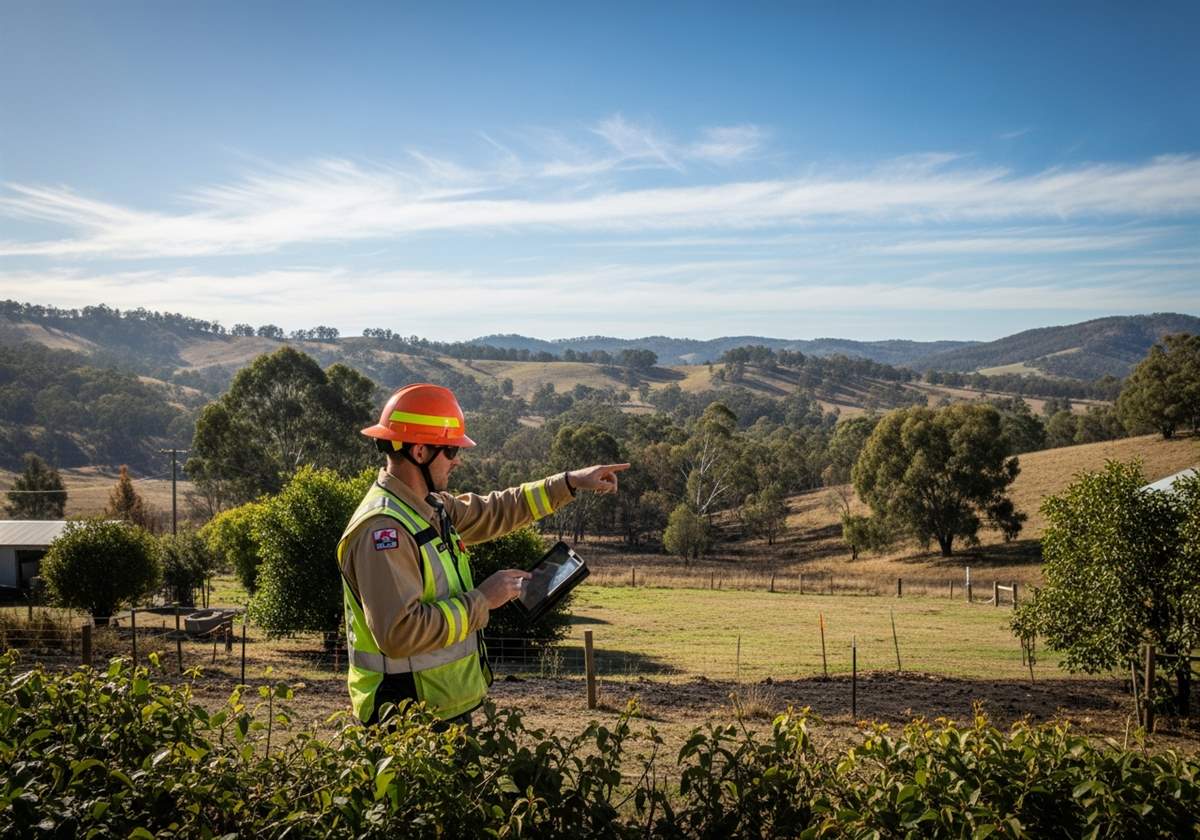
A wildfire inspection and property assessment platform where field inspectors run on-site assessments from a mobile app using dynamic inspection forms, photo documentation, audio notes and recommendation submissions, while a web portal handles scheduling, inspector assignment and availability. A strong reference for mobile products that must keep working away from a desk and under changing connectivity conditions.
A home inspection platform combining a multi-portal web system with a mobile app, giving administrators template, service and fee configuration, inspectors mobile report capture, and customers a self-service portal for inspection reports and scheduling. Automated template-based reporting cut completion from days to hours and intelligent calendar management removed double bookings — relevant to organizations replacing fragmented processes with a purpose-built mobile experience.
Scope drives the engagement, not page or screen count. Share your requirements and we will define the right architecture, team mix and delivery plan, then estimate against that scope.
scope-based estimate
A productive first conversation does not require a finished specification. The most useful inputs are the users, business outcome, current systems, must-have workflows and launch constraints.


Share your app idea, existing product or mobile workflow requirements and we will help you determine the right platform strategy, architecture, integration approach and delivery model. DreamzTech combines mobile, backend, cloud, QA, data and AI expertise with clear source-code ownership and US-facing project leadership.
We do not force every application into the same framework. The stack should fit user experience, platform reach, device capabilities, performance, security, integrations, maintainability and the team that will own the product long term.
| Category | Tools / technologies |
|---|---|
| Native iOS | Swift, SwiftUI, UIKit, Xcode, Core Data, Core ML |
| Native Android | Kotlin, Jetpack Compose, Java, Android Studio, Room, ML Kit |
| Cross-Platform | Flutter, Dart, React Native, TypeScript, Kotlin Multiplatform |
| Backend & APIs | Node.js, Python, .NET, Java, PHP, REST, GraphQL, WebSockets |
| Data & Local Storage | PostgreSQL, MySQL, Microsoft SQL Server, MongoDB, SQLite, Redis, Realm |
| Mobile Cloud Services | Firebase, AWS, Microsoft Azure, Google Cloud |
| Identity & Security | OAuth 2.0, OpenID Connect, JWT, MFA, biometrics, secure key storage |
| Device Integration | GPS, camera, QR / barcode, Bluetooth / BLE, NFC, files, push notifications |
| Payments & Commerce | Stripe, PayPal, Apple Pay, Google Pay and approved regional gateways |
| Testing | XCTest, XCUITest, Espresso, Appium, automated API testing, device and regression testing |
| DevOps & Release | GitHub Actions, Fastlane, CI/CD, TestFlight, Google Play testing tracks, monitoring |
| AI & Analytics | LLM / RAG integrations, computer vision, recommendations, on-device ML, product analytics |
Need a browser-based platform alongside the mobile product? See our custom web development services.
Tell us about the users, must-have workflows, current systems, platform preferences, integration needs and target launch window.
We define the recommended native or cross-platform approach, UX and technical scope, key integrations, team structure, delivery milestones, assumptions and estimate.
Move through UX, engineering, demos, QA, UAT, release preparation, App Store and Google Play deployment and post-launch optimization with regular stakeholder visibility.
Industry context helps translate operational rules, user journeys, integrations, device requirements, security and data needs into a mobile product people can actually use.
Verified client feedback consistently highlights responsiveness, practical problem solving, communication, product ownership and delivery quality.
The value is not simply access to mobile developers. It is the ability to combine product thinking, US-facing project leadership and mobile engineering with backend, cloud, QA, security, integrations, data and AI capability under one delivery partner.
Stakeholder communication, planning, demos and executive visibility are structured around US clients while the wider engineering organization provides delivery depth and scale.
Bring mobile UX, iOS, Android, cross-platform, backend, API, cloud, DevOps, QA, data and AI expertise under one delivery partner rather than coordinating separate vendors.
Ownership terms can be defined clearly in the engagement agreement so you retain control over the application codebase, design assets, documentation, deployment environment and future roadmap.
Architecture, authentication, API security, data protection, testing, monitoring, OS compatibility and maintainability are considered from the beginning—not added only after the app launches.


Share your product idea, existing application, mobile workflow or integration requirements. We will help you determine the right UX, platform strategy, architecture, technology stack and delivery model.
Direct answers to the questions businesses commonly ask when comparing a custom mobile app development company, budget, platform strategy, timeline, security and delivery model.
Custom mobile app development is the process of designing and engineering a mobile application around specific users, workflows, data, integrations and business goals. Unlike an off-the-shelf product or template, the UX, backend, platform features and integrations can be built around how the application actually needs to work.
Cost depends on platform strategy, UX complexity, backend logic, integrations, real-time features, offline requirements, security, device capabilities, testing and timeline. A focused MVP, a mid-complexity custom app and a multi-role enterprise platform sit at very different levels of effort, so we scope the build first and estimate against that scope rather than quoting a range up front. Share your requirements and we will come back with an estimate for your project.

A focused MVP can often be delivered in roughly two to four months, while a larger custom application may take four to six months or longer. Enterprise platforms, complex integrations, offline synchronization, regulated workflows or major backend development can extend the timeline. The most reliable schedule comes after the core workflows, architecture and release scope are defined.
Native development is a strong choice when the product requires maximum platform-specific performance, deep device integration or highly tailored iOS and Android experiences. Cross-platform development with Flutter or React Native can be more efficient when the goal is to support both platforms with a largely shared codebase. The right choice depends on the product rather than a universal rule.
Yes. Mobile applications can be connected with ERP, CRM, payment gateways, identity providers, logistics systems, analytics platforms, maps, cloud services and internal applications through APIs and integration layers. The integration design should account for authentication, error handling, latency, synchronization and data ownership from the beginning.
Yes. Applications used by technicians, drivers, field teams or users with unreliable connectivity can be designed with offline-first workflows. Data can be stored securely on the device and synchronized when connectivity returns, with rules for conflicts, retries and data freshness defined as part of the architecture.
Source-code and intellectual-property ownership should be stated clearly in the development agreement. DreamzTech engagements can be structured with clear ownership terms covering the application codebase, design assets, documentation and deployment-related deliverables so the client can continue to operate and evolve the product. You can also hire dedicated mobile app developers if you already have product leadership in place.