Specialty Second-Opinion Telehealth Network — Case Study

Specialty Second-Opinion Telehealth Network — Case Study

Case Study

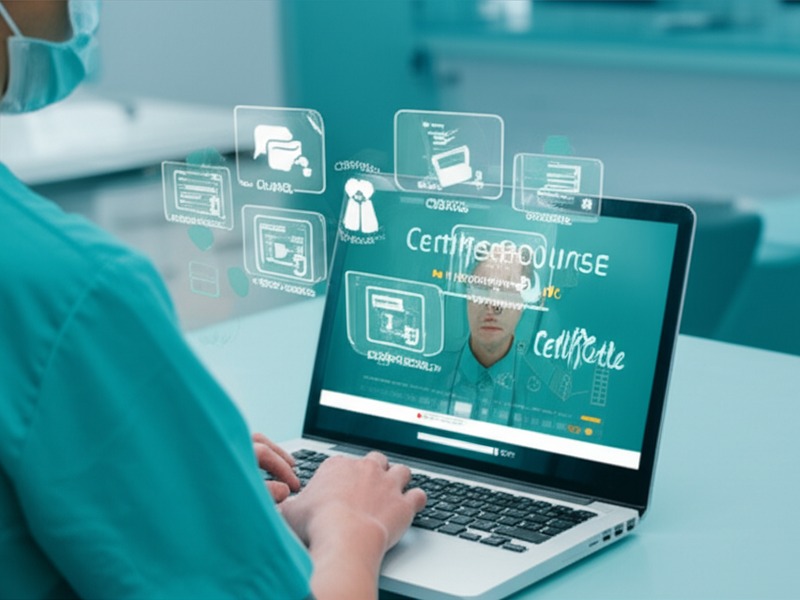
DreamzTech built a specialty second-opinion telehealth platform for a regional health network with 9 hospitals — sub-specialist routing for cardiology, neurology, and oncology; integrated DICOM image transfer with full study fidelity; multi-disciplinary tumour-board video with synchronous DICOM annotation; structured second-opinion-letter generation; and bi-directional FHIR R4 EHR integration. Average specialist consult time fell from 23 days to 4 days.

Discuss Your Project
Specialty Second-Opinion Telehealth Network — Case Study
Trusted By Startups, SMBs to Fortune 500 Brands

Quick Answers

  • What we built: Multi-Disciplinary Specialty Telehealth Platform
  • Who it's for: Regional Health Networks & Specialty Second-Opinion Programs
  • Delivery: End-to-end Product Development

Overview

The platform is a specialty second-opinion telehealth network purpose-built for a regional health network with 9 hospitals. It connects sub-specialists across the network through structured case routing, full-fidelity DICOM imaging transfer, multi-disciplinary tumour-board video conferencing with synchronous annotation, and structured second-opinion-letter generation — all integrated bi-directionally with the network's clinical record.

Challenges

  • Specialty second-opinion programme had a 23-day average wait for sub-specialist consult — too long for time-sensitive diagnoses
  • DICOM imaging transfer was via courier and FTP, often introducing compression artefacts
  • Multi-disciplinary tumour boards were scheduled by fax with weeks of delay
  • Structured second-opinion letters were drafted manually, taking days per case
  • Patients were leaving for competitor academic centres with faster pathways

How the platform works

Solutions delivered

DreamzTech designed and shipped a specialty telehealth platform with workflows tailored to multi-disciplinary specialty consultation, full-fidelity medical imaging, and time-sensitive diagnostic decisions:

Diagnosis + image modality + body-system mapping to sub-specialist poolsLoad-balanced routing across 9 hospitals to minimise consult timeOn-call escalation logic for time-sensitive cases (stroke, cardiac, oncology emergency)Configurable urgency tiers (routine / priority / urgent) with SLA tracking
DICOMweb (WADO-RS, QIDO-RS, STOW-RS) for full-fidelity image transferLossless transfer maintaining DICOM tag and pixel-data integrityCompression-aware routing — Linear-decode and JPEG2000 supported where appropriateAudit trail of every DICOM access keyed to PHI access logs
Synchronous video conferencing with shared DICOM viewer and annotation surfaceMultiple specialists annotating the same imaging study in real timeCase-list workflow with patient case rotation during boardStructured tumour-board minutes captured to EHR as DocumentReference
Template-driven letter generation referencing specific imaging slicesPrior-history pull from referring EHR via FHIR R4Recommended care-pathway with rationale and evidence linksDigital signing with disclaimer text aligned to malpractice insurance requirements
Patient demographics, encounters, conditions, observations sync between referring and consulting EHRsClinical notes write back to both EHR systems as FHIR DocumentReferenceImaging study reference passed via FHIR ImagingStudy resourcePrior-authorisation handshake via X12 EDI 278
Cardiology: ECG waveform viewer with overlay measurementsNeurology: MRI / CT viewer with multi-planar reconstructionOncology: PET / CT fusion viewer with SUV measurement tools and TNM staging templatesShared annotation persistence with version history

Success Metrics

23 → 4 Days Consult Time

Average sub-specialist consult time fell from 23 days to 4 days — critical for time-sensitive cancer and neurological diagnoses

9 Hospitals Live

Platform operational across all 9 hospitals in the regional health network with sub-specialist load balancing

Real-Time Tumour Boards

Multi-disciplinary tumour boards moved from fax-scheduled to real-time video with synchronous DICOM annotation

$2.4M Revenue Retention

Revenue retention from patients who would have left for competitor academic centres with faster specialist pathways

DICOMweb + FHIR

Full-fidelity DICOMweb image transfer combined with HL7 FHIR R4 bi-directional EHR continuity

Structured Letters

Template-driven second-opinion letters with referenced imaging slices and digital signing — drafted in minutes, not days

Conclusion

The platform delivered a 23-day-to-4-day reduction in average specialist consult time across the network's 9-hospital second-opinion programme. By replacing courier DICOM transfer and fax-scheduled tumour boards with full-fidelity DICOMweb, real-time multi-disciplinary video annotation, and structured second-opinion-letter generation — all bi-directionally integrated with the network's EHR — DreamzTech enabled the network to retain $2.4M in revenue from patients who would have otherwise sought faster pathways at competitor academic centres.

Leading Global Software Company

Trusted by Industry Leaders Worldwide

Trusted by startups to Fortune 500s, including DHL, Nestlé, and Stanford — partners who rely on us for high-impact, scalable software solutions.

Book a Discovery Call

    I Consent to Receive SMS Notifications, Alerts from DreamzTech US INC. Message frequency may vary. Message & data rates may apply. Text HELP for assistance. You may reply STOP to unsubscribe at any time.
    I Consent to Receive the Occasional Marketing Messages from DreamzTech US INC. You can Reply STOP to unsubscribe at any time.
    By submitting the form, you agree to the DreamzTech Terms and Policies

    Frequently Asked Questions (FAQ)

    Cases route based on diagnosis, image modality, and body-system mapping to sub-specialist pools across the network. Load-balanced routing minimises consult time, with on-call escalation logic for time-sensitive cases (stroke, cardiac emergencies, oncology). Configurable urgency tiers track SLAs per case.
    Yes. The platform uses DICOMweb (WADO-RS / QIDO-RS / STOW-RS) for full-fidelity image transfer. Lossless compression maintains DICOM tag and pixel-data integrity. JPEG2000 lossless and Linear-decode are supported where clinically appropriate. Every DICOM access is audit-trailed.
    Specialists join a synchronous video conference with a shared DICOM viewer and annotation surface. Multiple specialists can annotate the same imaging study in real time. The case-list workflow rotates patient cases during the board. Structured tumour-board minutes are captured to the EHR as FHIR DocumentReference resources.
    Letters are template-driven with structured fields, referencing specific imaging slices and prior history pulled from the referring EHR. Recommended care-pathway and rationale are inserted by the specialist; the template ensures malpractice-aligned disclaimer text. Digital signing creates an audit-ready PDF in minutes rather than days.
    Yes — bi-directional HL7 FHIR R4 sync between referring and consulting EHRs. Patient demographics, encounters, conditions, observations, and imaging study references flow as FHIR resources. Clinical notes write back to both EHR systems as FHIR DocumentReference. Prior-authorisation handshake via X12 EDI 278 is built in.
    Cardiology: ECG waveform viewer with overlay measurements. Neurology: MRI/CT viewer with multi-planar reconstruction. Oncology: PET/CT fusion viewer with SUV measurement tools and TNM staging templates. All annotations persist with version history visible to all participating specialists.