Every year, businesses lose millions in logistics inefficiencies — late shipments, misplaced inventory, bloated carrier costs, and warehouse floor chaos — and most of them are running the wrong software for the problem they’re trying to solve. Some invest in a Transportation Management System when their real pain is inside the four walls of their warehouse. Others bolt on a Warehouse Management System while their outbound freight costs spiral out of control. The result? Two tools, neither doing the full job, and a team that’s duct-taping spreadsheets to both.
If you’re a VP of Operations, a supply chain director, or a CTO evaluating logistics software in 2025, this guide is written for you. We’re going to cut through the vendor noise, break down exactly what TMS and WMS do, where they overlap, and — most importantly — tell you which one your operation actually needs right now (and whether you need both).
Let’s get into it.
Quick answer — TMS vs WMS in one paragraph
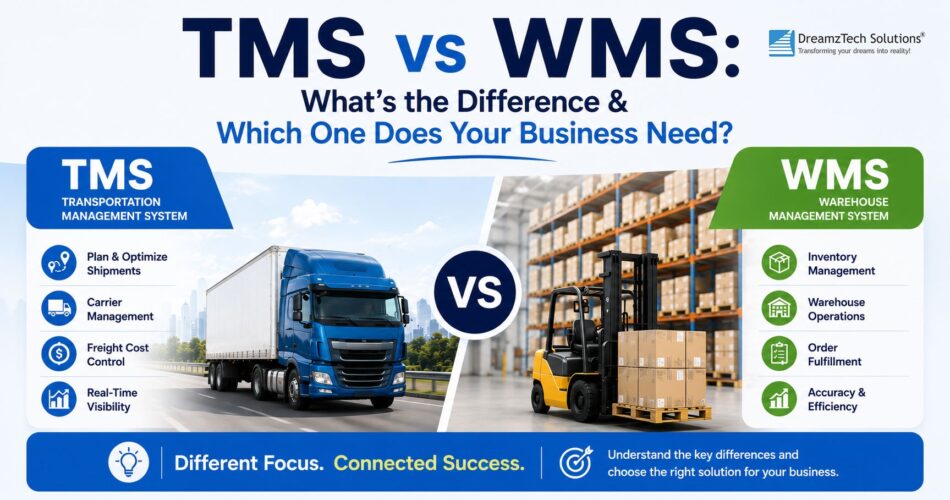
A Transportation Management System (TMS) plans, executes, and optimises how freight moves between locations — carrier selection, rate shopping, route optimisation, and freight audit. A Warehouse Management System (WMS) plans, executes, and optimises what happens inside a warehouse — receiving, putaway, picking, packing, and inventory accuracy. If your biggest cost driver is outbound freight or carrier chaos, you need a TMS. If it’s warehouse throughput, inventory accuracy, or fulfilment speed, you need a WMS. Most mid-market and enterprise logistics operations eventually need both — and DreamzTech’s cloud-based WMS integrates with any modern TMS.
TMS vs WMS: The Core Definitions You Need to Know
Before we get into comparisons, scorecards, and ROI data, let’s make sure we’re speaking the same language. These two systems address fundamentally different parts of your supply chain — one lives outside your walls, one lives inside them.
What Is a Transportation Management System (TMS)?
A Transportation Management System is software that manages the planning, execution, and optimization of the physical movement of goods — from your facility to your customer, supplier, or distribution point. Think of a TMS as the command center for everything that happens once a shipment leaves the dock.
A modern TMS handles carrier selection and rate shopping, freight audit and payment, route optimization, shipment tracking, compliance documentation, and analytics on freight spend. According to Gartner, the TMS market has become one of the fastest-growing segments in supply chain technology, with enterprises reporting freight cost reductions of 8–15% within the first year of deployment.
A TMS answers questions like: Which carrier gives us the best rate for this lane? What’s the most efficient multi-stop route for our delivery fleet? Why did our freight spend jump 22% last quarter? If your pain is in transit — cost, visibility, speed, carrier management — a TMS is designed for exactly that.
Companies investing in TMS software built specifically for their network topology and carrier mix see materially better outcomes than those deploying generic off-the-shelf platforms — because transportation patterns, carrier relationships, and lane-level economics are deeply company-specific.
What Is a Warehouse Management System (WMS)?
A Warehouse Management System is software that manages the operations inside your warehouse or distribution center — receiving, putaway, inventory tracking, picking, packing, and shipping. If a TMS owns the road, a WMS owns the floor.
A modern WMS controls bin-level inventory visibility, labor management, directed picking strategies (zone, wave, batch), slotting optimization, returns processing, and real-time inventory accuracy. According to Grand View Research, the global WMS market was valued at over $3.8 billion in 2023 and is projected to grow at a CAGR of 16.2% through 2030 — driven by the explosive growth of e-commerce and omnichannel fulfillment.
A WMS answers questions like: Where exactly is SKU #A7823 in my warehouse right now? What’s the optimal pick path for this batch of 40 orders? How do we reduce mispicks by 80%? If your pain is inside the building — inventory accuracy, labor efficiency, fulfillment speed, space utilization — a WMS is the system you need.
A cloud-based WMS with RFID integration takes this further, eliminating manual scan steps and giving you real-time inventory location data at the pallet, case, and item level without relying on operators to remember to scan every movement.
The Single Sentence Summary
TMS = what happens to your goods between facilities. WMS = what happens to your goods inside a facility. They are complementary systems that together cover the full arc of your supply chain — but they serve different masters, solve different problems, and require different data to function well.
| Dimension | TMS — Transportation Management System | WMS — Warehouse Management System |
|---|---|---|
| Primary focus | Moving freight between locations | Managing inventory inside a warehouse |
| Owns the process from | Dock door to delivery point | Receiving to dock door |
| Core capabilities | Rate management, carrier tender, route optimisation, freight audit, tracking, analytics | Receiving, putaway, slotting, picking, packing, labour management, inventory accuracy |
| Key users | Logistics, procurement, transportation planners | Warehouse ops, DC managers, pickers, receivers |
| Data managed | Loads, lanes, rates, carriers, tenders, shipments | Bins, SKUs, waves, pick paths, cycle counts |
| You need it when | Freight spend > $2M/yr, service SLAs slipping, carrier chaos | Multi-SKU warehouse, > 300 orders/day, inventory accuracy < 98% |
| Typical ROI | 8–15% freight cost reduction, 12–18 month payback | 20–30% labour productivity uplift, 99%+ inventory accuracy |
| Cloud-native form | SaaS TMS platforms with carrier APIs | Cloud-based WMS with RFID + IoT |
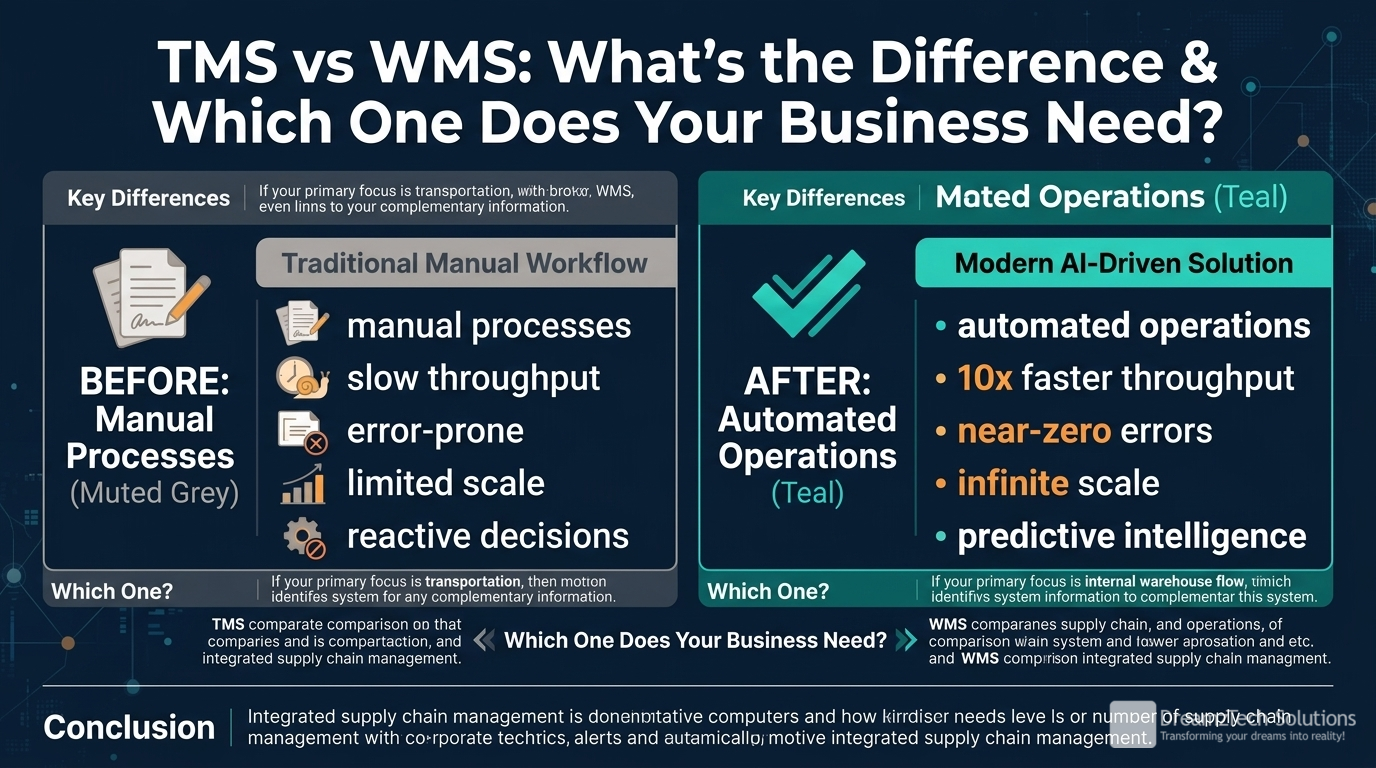
Figure 1: Before and after comparison for TMS vs WMS: What’s the Difference & Which One Does Your Business Need?
Why This Decision Matters More Than Ever in 2025
The logistics technology landscape has changed dramatically in the last three years. Supply chain disruptions, labor shortages, carrier rate volatility, and the unrelenting pressure of next-day delivery expectations have forced operations leaders to make hard technology decisions faster than they’d like. Getting the TMS vs WMS call wrong is no longer just an inconvenience — it’s a competitive liability.
McKinsey’s research on supply chain technology found that companies with advanced logistics software capabilities outperform peers by 15–20% on delivery speed and 20–30% on inventory costs. The gap between digitized and manual logistics operations is widening — and it’s widening fast.
Here’s what’s driving urgency in 2025:
Carrier rate volatility is at an all-time high. Fuel surcharges, capacity crunches, and lane-specific pricing shifts mean that companies without dynamic carrier selection and freight audit capabilities are systematically overpaying. A well-implemented TMS pays for itself in freight savings alone within 12–18 months for most mid-market shippers.
E-commerce fulfillment expectations have reset the baseline. Two-day delivery is now table stakes, same-day is emerging in major metros, and customers expect real-time tracking from order placement to doorbell. A WMS that can’t support wave-less picking, multi-carrier label generation, and returns automation is a bottleneck in that customer experience chain.
Labor costs inside warehouses are up 35% since 2020. According to Deloitte’s supply chain resilience report, warehouse labor now accounts for 65% of total distribution center operating costs. A WMS with intelligent labor management and directed workflows can reduce labor cost per unit shipped by 20–35%.
Visibility is the new competitive differentiator. Both shippers and their customers want end-to-end supply chain visibility — from the moment a purchase order is issued to the moment a package is in the customer’s hands. Neither a TMS nor a WMS alone gives you that full picture. Together, they do.
Regulatory and compliance pressure is intensifying. For food, pharma, and chemical shippers, lot-level traceability, temperature monitoring, and carrier compliance documentation are now regulatory requirements — not nice-to-haves. Investing in custom logistics software development that addresses your specific compliance requirements is increasingly the difference between passing audits and facing fines.

Figure 2: TMS vs WMS: What’s the Difference & Which One Does Your Business Need? market growth 2024-2030
How TMS and WMS Work: Core Capabilities Side by Side
To make an informed buying decision, you need to understand what each system actually does at a functional level — not just the marketing positioning. Here’s a rigorous, feature-by-feature breakdown.
Core TMS Capabilities
Carrier Management and Rate Shopping: A TMS connects to your carrier network — LTL, FTL, parcel, intermodal — and provides real-time rate comparison across carriers for every shipment. It applies business rules (preferred carriers, service level agreements, mode preferences) and automatically selects the optimal option. For high-volume shippers, this single capability can reduce freight spend by 8–12% annually according to Forrester Research.
Route Optimization: For private fleets and dedicated carriage, a TMS uses algorithms to calculate the most efficient multi-stop routes, accounting for time windows, vehicle capacity, driver hours-of-service regulations, and real-time traffic. Route optimization typically reduces miles driven by 10–20%, with direct fuel and labor savings.
Shipment Visibility and Tracking: Modern TMS platforms integrate with carrier APIs, GPS telematics, and EDI feeds to provide real-time shipment status from pickup to delivery. Proactive exception management — alerting your team when a shipment is at risk of missing its delivery window — is a core differentiator of enterprise-grade TMS platforms.
Freight Audit and Payment: Carrier invoices are notoriously error-prone. Studies by AIIM suggest that 15–25% of freight invoices contain billing errors. A TMS automates the audit process, comparing actual charges against contracted rates, flagging discrepancies, and managing the dispute resolution workflow. This alone often generates a 3–5% reduction in freight spend.
Analytics and Reporting: Freight spend by lane, carrier performance scorecards, on-time delivery rates, accessorial charge analysis — a TMS turns your transportation data into actionable intelligence. This is where most manual logistics operations are flying blind.
Compliance and Documentation: Bills of lading, customs documentation, hazmat declarations, delivery receipts — a TMS automates the generation, transmission, and archiving of all required transportation documents.
Core WMS Capabilities
Receiving and Putaway: A WMS directs the receiving process — validating inbound shipments against purchase orders, generating license plate numbers or tote IDs, and directing putaway to optimized bin locations based on velocity, product family, pick path, and storage rules. This eliminates the “where did we put it?” problem that plagues manual warehouse operations.
Inventory Management and Location Tracking: A WMS maintains real-time, bin-level inventory accuracy — knowing not just that you have 500 units of SKU #B1042, but exactly which racks, shelves, and bins they’re in, their lot numbers, expiration dates, and movement history. Best-in-class WMS implementations achieve 99.9%+ inventory accuracy, compared to 65–75% accuracy in paper-based or basic ERP-managed warehouses.
Order Picking and Fulfillment: Wave, batch, zone, and wave-less picking are all orchestrated by the WMS. It generates optimized pick paths, assigns tasks to workers (or robots), validates picks via scan confirmation, and sequences fulfillment to meet shipping cut-offs. This is where WMS delivers the most visible labor efficiency gains.
Packing and Shipping: A WMS directs packing operations — recommending carton sizes to minimize DIM weight charges, generating carrier labels, and producing packing slips and shipping documents. Integration with parcel carriers (UPS, FedEx, DHL) at this stage provides rate shopping at the individual order level.
Labor Management: Advanced WMS platforms include engineered labor standards — measuring actual worker performance against engineered time standards for each task type, enabling supervisors to identify productivity gaps and manage incentive programs. According to Gartner’s warehouse technology research, labor management modules in WMS platforms deliver 10–20% labor productivity improvement on average.
Slotting Optimization: As your product mix evolves, a WMS can re-analyze pick frequency data and recommend re-slotting — moving your fastest-moving SKUs to the most accessible pick locations to minimize travel time. This is one of the most underrated WMS features in mid-market operations.
Returns Management: For e-commerce operations, returns processing is a significant cost center. A WMS manages the returns workflow — receiving, inspection, disposition (restock, refurbish, liquidate, destroy), and restocking — with full audit trail.
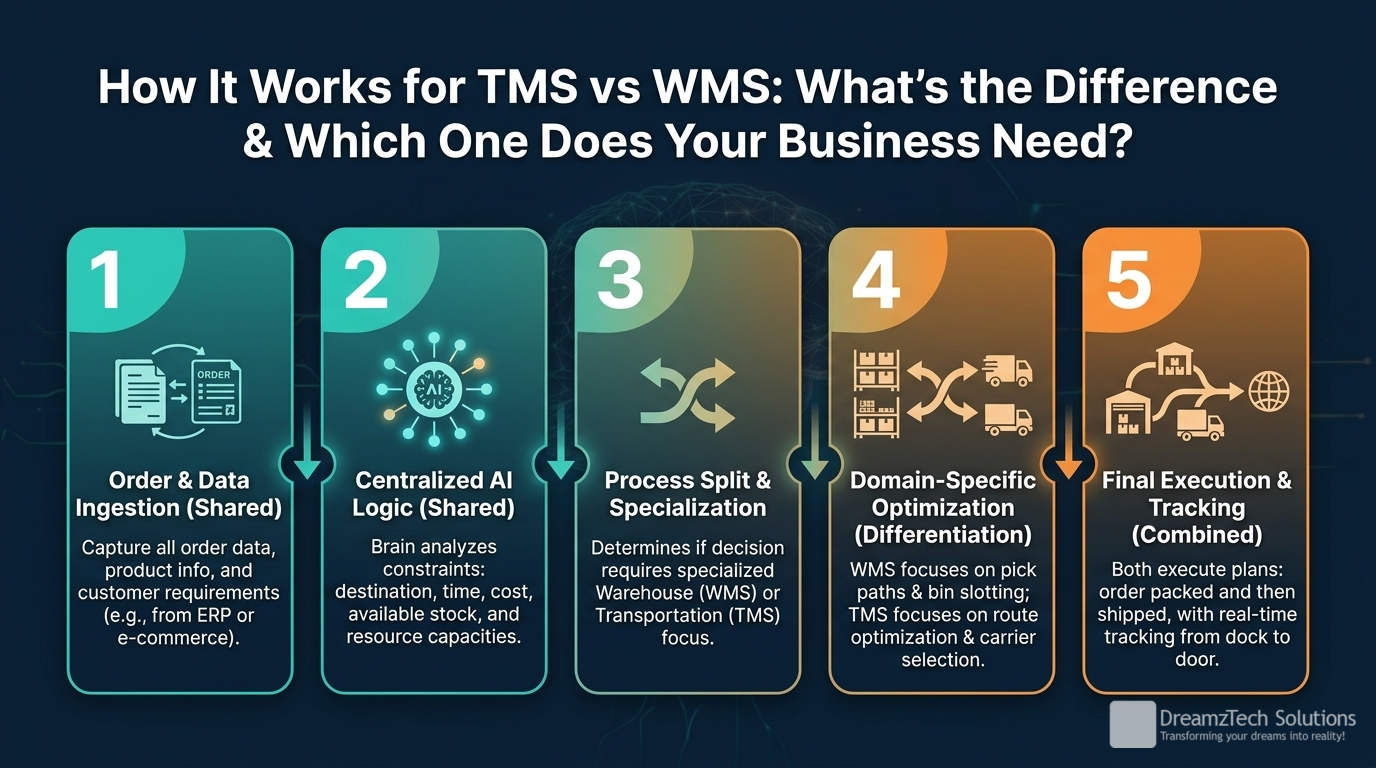
Figure 3: How TMS vs WMS: What’s the Difference & Which One Does Your Business Need? works step by step
Industry Use Cases: Who Gets More Value From Each System?
The TMS vs WMS decision isn’t purely functional — it’s also driven by your industry, business model, and where your biggest operational pain points live. Here’s how different verticals typically stack up.
Retail and E-Commerce
Retailers and e-commerce operators are typically WMS-heavy buyers first. The explosion of SKU counts, the complexity of omnichannel fulfillment (ship-from-store, buy-online-pick-up-in-store, direct-to-consumer), and the cost of mispicks and returns make warehouse optimization the primary battleground. However, as these businesses scale to regional distribution networks and multi-carrier parcel strategies, TMS becomes equally critical — especially for rate shopping across parcel carriers and managing last-mile delivery complexity.
Manufacturing and Industrial
Manufacturers typically have more complex transportation networks — inbound raw materials from multiple suppliers, inter-facility transfers, outbound finished goods to distributors and direct customers. TMS delivers outsized value here through carrier consolidation, freight audit, and inbound freight management programs. WMS value in manufacturing focuses on finished goods warehousing and raw materials staging — important, but often secondary to the transportation savings opportunity.
Food and Beverage
Food and beverage operations need both systems, but with specific requirements. WMS must handle lot tracking, FEFO (First Expired, First Out) inventory rotation, temperature zone management, and FDA compliance. TMS must manage carrier compliance for temperature-controlled transport, regulatory documentation, and cold chain visibility. According to FDA FSMA regulations, food shippers must maintain records of transportation conditions — a requirement that a TMS automates and a WMS supports on the warehouse side.
Third-Party Logistics (3PL) Providers
3PLs live and die by the quality of their WMS. Multi-client inventory management, client-specific billing, value-added services (kitting, labeling, sequencing), and the ability to provide clients with real-time inventory visibility are all WMS functions. Many 3PLs also deploy TMS to manage the transportation component of their service offering — but WMS is almost always the foundational investment.
Healthcare and Pharmaceuticals
Pharma and healthcare logistics operations face the strictest compliance requirements. A WMS must handle serialization, track-and-trace at the unit level, temperature excursion documentation, and DEA controlled substance requirements. A TMS must manage carrier compliance, chain of custody documentation, and HIPAA-compliant data handling for any patient-linked shipments. Both systems are typically required, and both must be configurable to meet regulatory specifics.
Wholesale Distribution
Distributors often have moderate warehousing complexity but very high transportation spend — making TMS the higher-leverage investment in many cases. A distributor moving thousands of orders per day across dozens of carriers benefits enormously from automated rate shopping, load tendering, and freight audit. WMS adds value as order volumes and SKU counts grow, particularly as distributors take on more value-added services.
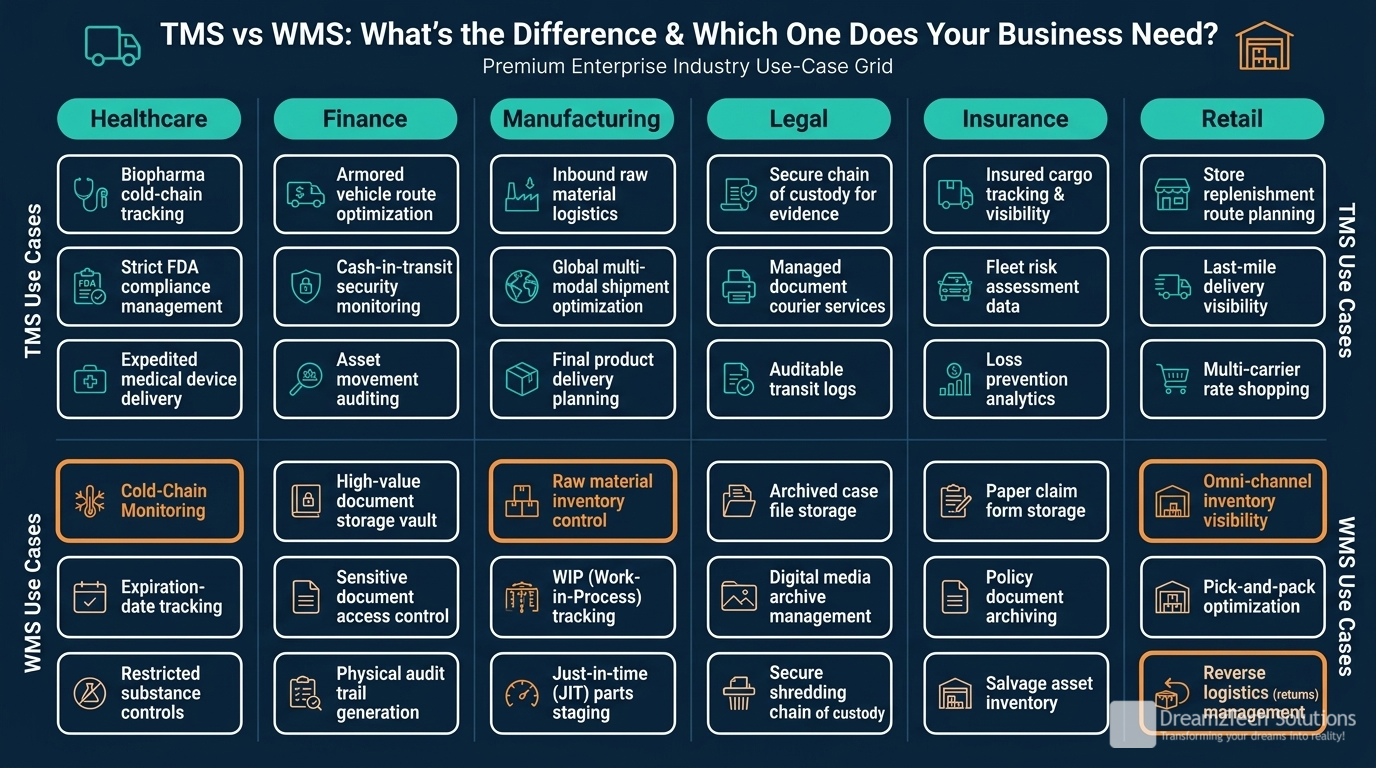
Figure 4: TMS vs WMS: What’s the Difference & Which One Does Your Business Need? industry use cases
The Buyer’s Evaluation Checklist: How to Choose the Right System
Here’s a practical decision framework to work through with your team. Answer these questions honestly — the answers will tell you which investment to prioritize.
Step 1: Diagnose Your Biggest Cost Driver
Pull your logistics P&L and categorize costs into two buckets: transportation costs (freight, fuel, carrier fees, accessorials) and warehousing costs (labor, space, inventory carrying costs, fulfillment errors). Whichever bucket is larger, or whichever has grown faster in the last 24 months, is your primary target. Transportation cost is a TMS problem. Warehousing cost is a WMS problem. If both are growing, you likely need both — but sequence the investment based on which delivers faster payback.
Step 2: Map Your Operational Complexity
Not all operations need enterprise-grade software. Ask yourself:
- How many carriers do you work with? (Under 5: TMS may be overkill. Over 20: TMS is almost certainly a priority.)
- How many SKUs are in your warehouse? (Under 500: Basic ERP may suffice. Over 5,000: WMS is likely warranted.)
- How many orders do you ship per day? (Under 100: manual processes may still work. Over 500: WMS delivers measurable ROI.)
- How many facilities do you operate? (Multi-facility operations benefit disproportionately from both TMS and WMS.)
Step 3: Evaluate Your Current Technology Stack
Your ERP system matters enormously here. SAP, Oracle, Microsoft Dynamics, and NetSuite all have native logistics modules — some of which may partially satisfy your TMS or WMS requirements without a standalone system. Evaluate honestly: does your ERP’s inventory management give you bin-level visibility and directed picking? Does its transportation module give you real-time carrier rate shopping and freight audit? In most cases, the answer is no — ERP logistics modules are built for financial control, not operational optimization.
Step 4: Assess Your Integration Requirements
A TMS needs to integrate with your order management system (OMS), ERP, and carrier APIs. A WMS needs to integrate with your ERP, your TMS (if you have one), your e-commerce platform, and your material handling equipment (conveyors, sorters, AS/RS, robotics). Integration complexity is often the biggest hidden cost and risk in logistics software projects. Evaluate vendors on the quality of their pre-built connectors and the openness of their API architecture.
Step 5: Build vs Buy vs Custom
This is the decision most buyers underweight. Off-the-shelf TMS and WMS platforms work well when your operation is relatively standard. But if you have unique carrier relationships, proprietary routing logic, non-standard warehouse configurations, or specific compliance requirements, a custom-built or heavily configured platform will outperform a generic SaaS solution within 18–24 months. The total cost of ownership difference between fitting your operation to generic software and building software that fits your operation is significant — and experienced custom logistics software development partners can close that gap faster than most CIOs expect.
Step 6: Define Your Non-Negotiable Requirements
Before you talk to a single vendor, write down your five non-negotiable requirements for each system. These might include: must integrate with SAP in real-time, must support EDI 204/214 for carrier communication, must support RFID-based receiving, must handle multi-client 3PL billing, must be cloud-native with 99.9% uptime SLA. Your non-negotiables should be the first filter in your vendor evaluation — anything that can’t meet them is off the list before you get to demos.
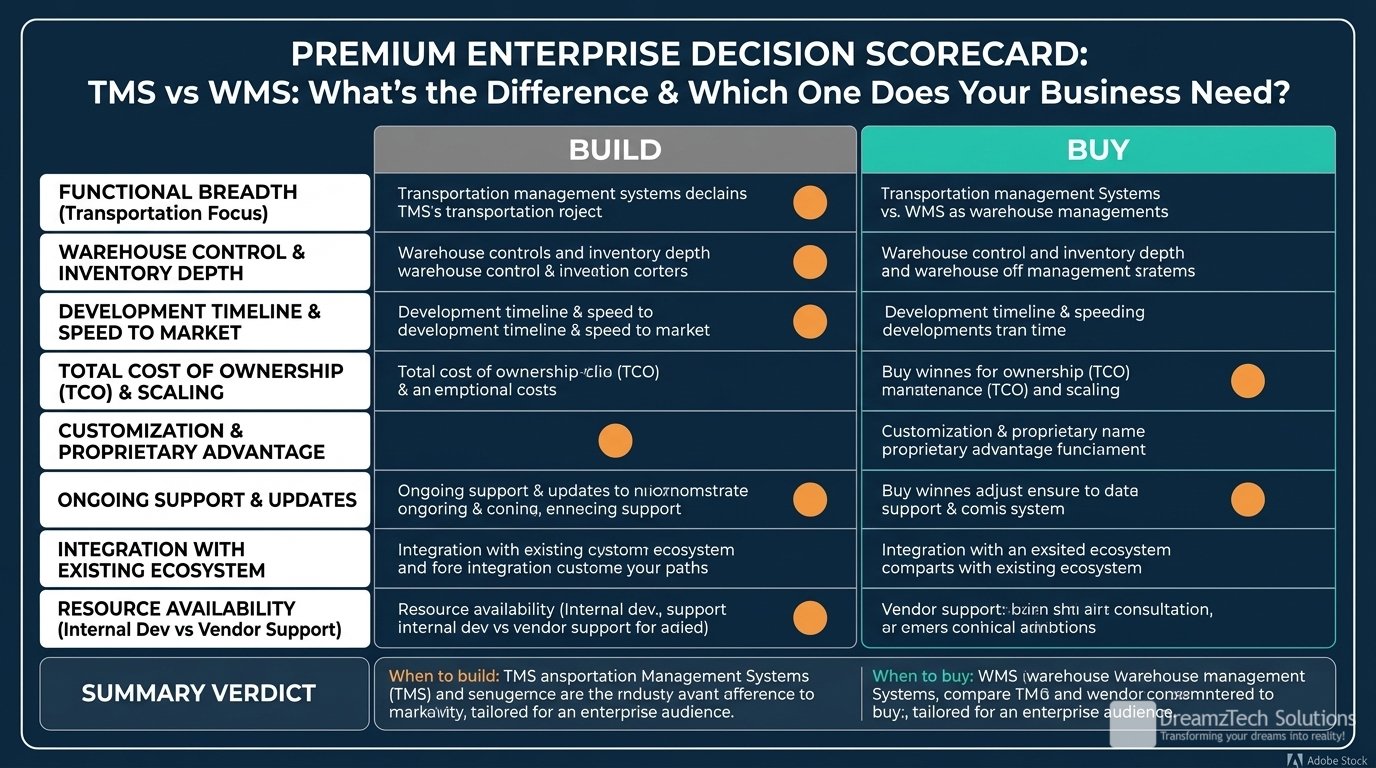
Figure 5: TMS vs WMS: What’s the Difference & Which One Does Your Business Need? evaluation scorecard
ROI: What the Data Actually Shows
The business case for TMS and WMS investments is well-documented. Here’s what operations that have deployed these systems actually report — not vendor claims, but third-party research findings.
TMS ROI Data
According to McKinsey’s digitizing the value chain research, companies that deploy TMS solutions report:
- 8–15% reduction in total freight spend — primarily from carrier rate optimization and mode consolidation
- 10–20% reduction in transportation miles — from route optimization for private fleet operations
- 3–5% recovery on freight invoice errors — from automated freight audit and payment
- 25–40% improvement in on-time delivery rates — from proactive exception management and carrier performance management
- Typical payback period: 12–18 months for mid-market shippers spending $5M+ annually on freight
For a company spending $10 million annually on freight, an 8% reduction alone generates $800,000 in savings per year — well above the cost of most TMS implementations.
WMS ROI Data
Deloitte’s supply chain benchmarking data and Grand View Research’s WMS market analysis document consistent ROI patterns across WMS deployments:
- 20–35% reduction in labor cost per unit — from directed work, optimized pick paths, and labor management
- Inventory accuracy improvement from 65–75% to 99%+ — eliminating the cost of lost inventory, emergency replenishment, and customer service exceptions
- 15–30% increase in warehouse throughput — from wave optimization, slotting, and task interleaving
- 50–80% reduction in mispick rates — from scan confirmation and directed picking
- 25–40% reduction in safety stock — from improved inventory visibility and demand sensing accuracy
- Typical payback period: 18–24 months for operations processing 500+ orders per day
For a distribution center with $3 million in annual labor spend, a 25% labor efficiency improvement generates $750,000 in annual savings — and that’s before you factor in the reduction in inventory carrying costs and order error credits.
The Combined TMS + WMS Case
When TMS and WMS are deployed together and integrated — sharing shipment data at the point of packing, feeding carrier performance data back to the WMS for shipping method selection, and providing end-to-end visibility from receiving dock to customer delivery — the combined ROI significantly exceeds the sum of the individual parts. Forrester’s total economic impact studies on integrated logistics platforms consistently show 3-year ROI in the range of 200–350% for operations that deploy both systems with proper integration and change management.
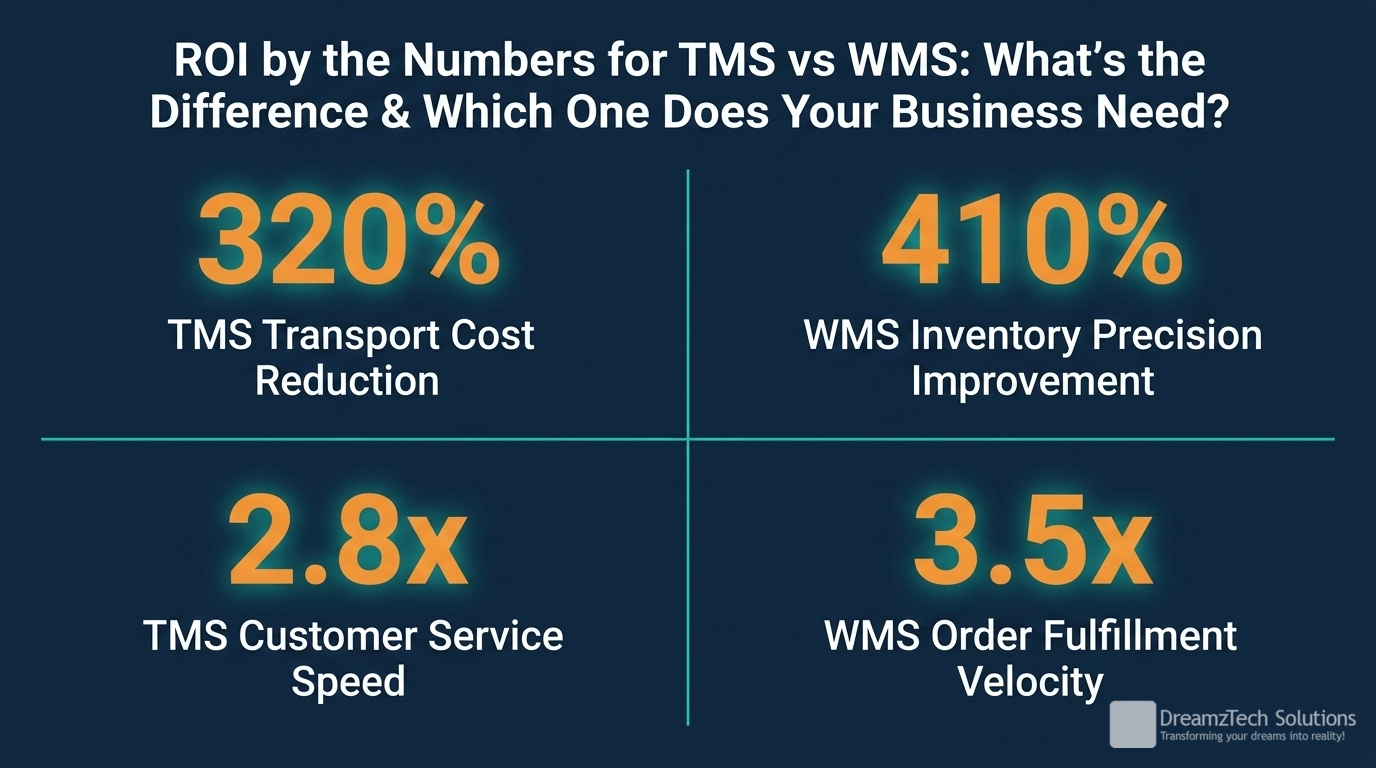
Figure 6: TMS vs WMS: What’s the Difference & Which One Does Your Business Need? ROI metrics
Common Pitfalls to Avoid When Implementing TMS or WMS
The technology is rarely what causes logistics software projects to fail. It’s the decisions made before and during implementation. Here are the traps we see most often — and how to avoid them.
Pitfall 1: Automating a Broken Process
Software doesn’t fix bad processes — it amplifies them. If your current receiving process is chaotic, your putaway logic is inconsistent, and your pick paths were designed in 2012 for a product mix that no longer exists, implementing a WMS on top of that without process redesign will simply give you faster chaos. Before go-live, invest the time to document, challenge, and redesign your core processes. This is the single most important pre-implementation activity.
Pitfall 2: Underestimating Integration Complexity
The most common cause of TMS and WMS project overruns is integration — specifically, the gap between what a vendor’s integration team says is a “standard connector” and what your IT team discovers when they actually try to connect the software to your 12-year-old ERP. Budget 30–40% of your implementation timeline for integration work, test with real data from day one, and insist on a dedicated integration architect from your software partner.
Pitfall 3: Skipping Change Management
Warehouse operators and transportation coordinators have muscle memory built around the old way of doing things. A WMS that directs every putaway and pick will feel constraining to experienced floor staff at first. A TMS that mandates carrier selection rules will frustrate relationships-based freight coordinators. Without structured training, clear communication of the “why,” and executive sponsorship visible on the floor, adoption rates suffer and ROI evaporates. Budget for change management as a first-class workstream, not an afterthought.
Pitfall 4: Buying for Today’s Scale, Not Tomorrow’s
Logistics software projects have a 5–7 year lifespan. The system you implement this year needs to handle 3x your current order volume, support new business models (like adding a D2C channel or acquiring a competitor’s distribution network), and integrate with robotics and automation technologies that may not yet be in your roadmap. Evaluate vendors on their scalability architecture and their track record with customers who have grown through the platform — not just on their feature checklist for your current operation.
Pitfall 5: Treating Custom and Off-the-Shelf as Binary Choices
Many buyers frame the decision as “buy a SaaS platform” or “build custom software” — and both camps have their evangelists. The reality is that the best logistics software projects often combine both: a custom-built core that reflects your unique business rules and competitive advantages, with pre-built connectors to standard carrier APIs, ERP systems, and hardware. This hybrid approach — custom logistics software development with strategic use of proven open-source and commercial components — delivers the flexibility of custom with the speed of configured solutions.
Pitfall 6: Ignoring Data Quality
A TMS is only as good as the rate data, carrier contracts, and shipment history you feed it. A WMS is only as good as your item master, location master, and inventory baseline. Data cleanup — standardizing item descriptions, auditing bin configurations, loading carrier rate tables, validating customer addresses — is unglamorous work that most project teams underinvest in. Bad data in, bad decisions out. Plan for a dedicated data readiness workstream starting at least 60 days before go-live.
Future Trends: Where TMS and WMS Are Heading in the Next Three Years
The TMS and WMS markets are not standing still. Here’s where the technology is heading — and what that means for your buying decision today.
AI-Driven Optimization Is Becoming Table Stakes
The next generation of TMS platforms uses machine learning to predict carrier capacity constraints, optimize load tendering strategies, and proactively reroute shipments before disruptions become delays. In WMS, AI is driving autonomous slotting recommendations, demand-driven replenishment triggers, and natural language interfaces for floor staff. Gartner predicts that by 2027, 75% of enterprise WMS platforms will include embedded AI capabilities as standard — up from under 20% in 2023.
Convergence of TMS and WMS Into Unified Platforms
Several leading vendors are blurring the line between TMS and WMS, building unified “supply chain execution” platforms that manage the full flow from inbound receiving through outbound delivery. This convergence simplifies integration and provides a single source of truth for end-to-end visibility — but comes with trade-offs in depth of functionality compared to best-of-breed specialist platforms. Watch this space: the unified platform approach will be compelling for mid-market operations, while enterprise-scale operations will likely maintain best-of-breed strategies for the foreseeable future.
Autonomous Mobile Robots (AMRs) and WMS Integration
The explosion of AMR deployments in distribution centers is driving a new requirement for WMS platforms: the ability to orchestrate human workers and robots in the same physical space, dynamically allocating tasks between the two based on real-time conditions. WMS platforms that can’t natively integrate with leading AMR systems — or that require expensive middleware to do so — will be at a structural disadvantage within 24 months.
Real-Time Visibility Networks
Standalone carrier tracking is giving way to multimodal real-time visibility networks — platforms that aggregate location data from GPS, EDI, carrier APIs, and IoT sensors into a unified shipment intelligence layer. The best TMS platforms are integrating with these networks (FourKites, project44, Descartes) as a standard capability, moving from reactive track-and-trace to predictive ETAs and automated customer notifications.
The Bottom Line: Three Key Takeaways
After 4,000+ words, here’s what we want you to walk away with:
1. TMS and WMS solve different problems — don’t conflate them. A TMS optimizes what happens between your facilities. A WMS optimizes what happens inside your facilities. If you’re overspending on freight, start with TMS. If you’re losing on warehouse labor and inventory accuracy, start with WMS. If both are hurting you, build a phased roadmap — don’t try to implement both simultaneously unless you have the organizational bandwidth to absorb it.
2. The build vs buy decision is more nuanced than vendors want you to believe. Off-the-shelf platforms work for standard operations. Custom-built or heavily configured systems win when your competitive advantage is operational — when your routing logic, your carrier relationships, your warehouse layout, or your fulfillment model is genuinely differentiated. Don’t let generic software standardize away your operational edge.
3. ROI is real, but only if implementation is disciplined. The data on TMS and WMS ROI is compelling — 8–15% freight savings, 20–35% labor reduction, 99%+ inventory accuracy. But those numbers come from operations that invested in process redesign, data quality, integration, and change management before and during implementation. The technology is the enabler — the execution discipline is what actually generates the return.
Conclusion
The TMS vs WMS debate is a false binary for most growing logistics operations — you’ll likely need both eventually. But the sequence matters, the implementation discipline matters, and the fit between your operational reality and your software architecture matters more than any feature checklist.
Start by diagnosing your biggest cost driver. Build a clear picture of where your operation is losing money, time, and margin. Then make a focused investment in the system that addresses that specific problem — with a roadmap for the second system already in hand.
The companies that win in logistics don’t necessarily have the biggest budgets. They have the clearest thinking about where technology creates leverage in their specific operation — and the execution discipline to capture it.
If you want a partner who can help you think through that decision without an agenda tied to a specific software license, talk to our logistics software team. We’ve been in the trenches on enough TMS and WMS projects to tell you the truth about what works — and what doesn’t.
Frequently Asked Questions
1. What is the main difference between a TMS and a WMS?
A Transportation Management System (TMS) manages the movement of goods between locations — covering carrier selection, route optimization, freight cost management, and shipment visibility. A Warehouse Management System (WMS) manages operations inside your warehouse or distribution center — inventory tracking, receiving, putaway, picking, packing, and shipping. In simple terms: TMS owns the road, WMS owns the floor. They address different parts of your supply chain and solve different operational problems, though they work best when integrated with each other.
2. Can my ERP system replace a standalone TMS or WMS?
Most ERP systems (SAP, Oracle, Microsoft Dynamics, NetSuite) include basic transportation and warehouse management modules — but they’re built for financial control and inventory accounting, not operational optimization. ERP warehouse modules typically lack bin-level inventory management, directed picking, and labor management. ERP transportation modules rarely include real-time carrier rate shopping, dynamic route optimization, or automated freight audit. For operations processing significant volumes, a dedicated TMS or WMS will outperform your ERP’s built-in modules on operational metrics within 12–18 months of deployment. The right answer is usually ERP + dedicated TMS/WMS, integrated in real time.
3. How much does a TMS or WMS implementation typically cost?
Costs vary enormously based on the complexity of your operation, the number of integrations required, whether you’re deploying a SaaS platform or custom-built software, and the level of configuration needed. As a rough benchmark: mid-market SaaS TMS implementations range from $50,000–$300,000 in year-one costs (software + implementation). Custom TMS development for complex operations ranges from $150,000–$800,000. WMS SaaS implementations for mid-market DCs typically run $100,000–$500,000 in year one. Custom WMS development runs $200,000–$1,000,000+. The key question isn’t total cost — it’s payback period, which for well-executed TMS projects is typically 12–18 months and for WMS is 18–24 months.
4. Should I implement TMS and WMS at the same time?
We generally advise against simultaneous TMS and WMS implementation unless you have an exceptionally mature IT and operations organization. Each system requires significant process redesign, data preparation, integration work, and change management. Running both in parallel doubles the organizational demand — and when things get hard (and they always do), teams have to make triage decisions that compromise one project or the other. Phase them: identify which system delivers the faster payback for your specific operation, implement it first, stabilize it, then begin the second project with the integration architecture already defined.
5. What does a cloud-based WMS offer over an on-premises system?
A cloud-based WMS eliminates the capital expense of on-premises servers and infrastructure, reduces the IT maintenance burden, and enables faster feature updates from the vendor. More importantly for multi-site operations, cloud deployment makes it straightforward to extend the WMS to new facilities without separate hardware installations. Cloud WMS platforms also integrate more easily with cloud-native systems — your e-commerce platform, your ERP SaaS modules, and carrier APIs. The trade-off historically was around latency for scan-intensive warehouse operations, but modern cloud architectures have effectively eliminated this concern for the vast majority of warehouse environments.
6. How long does a typical TMS or WMS implementation take?
A straightforward SaaS TMS implementation for a mid-market shipper with standard carrier integrations typically takes 3–6 months from contract to go-live. A complex, custom TMS with multiple ERP integrations, proprietary routing logic, and extensive carrier network connections can take 9–18 months. WMS timelines are similar: a standard single-facility SaaS WMS deployment runs 4–8 months; a custom multi-facility WMS with RFID integration, robotics connectivity, and complex 3PL billing runs 12–24 months. The biggest variable is always the quality and completeness of data readiness and the organization’s capacity to absorb change.
7. What integration points do TMS and WMS need to share?
When TMS and WMS operate in the same environment, they need to exchange data at several critical touchpoints. The WMS should pass outbound shipment data to the TMS at the time of packing (order details, weights, dimensions, ship-to address) to trigger carrier selection and label generation. The TMS should return carrier selection, tracking numbers, and carrier labels back to the WMS for printing and shipment closure. Inbound: the TMS should share inbound shipment ASNs with the WMS to pre-populate receiving workflows. Reporting: both systems should feed a common analytics layer for end-to-end supply chain performance visibility. This integration architecture should be defined before either system is selected.
8. Is custom logistics software development worth it compared to off-the-shelf TMS/WMS platforms?
Custom development pays off when your operational model is genuinely differentiated — when your carrier relationships, routing logic, warehouse configuration, fulfillment model, or compliance requirements don’t map cleanly to what a standard platform assumes. For standard operations (single facility, standard carrier mix, conventional pick-pack-ship model), a well-configured SaaS platform is usually the faster and more cost-effective path. For operations with significant complexity, proprietary logic, or competitive advantage tied to operational execution, custom-built software typically delivers better long-term ROI — because you’re not paying for features you don’t use, not constrained by the vendor’s product roadmap, and not dependent on the vendor’s continued support of a legacy module to run your operation.
9. How do I evaluate whether a TMS or WMS vendor is the right fit?
Beyond feature checklists, evaluate vendors on five dimensions: reference customers in your industry and at your scale (not just big-name logos — customers who look like you), integration architecture and the quality of their pre-built connectors to your specific ERP and carrier mix, implementation methodology and the experience level of the consultants who will actually do the work (not just the sales team), total cost of ownership over 5 years including license escalation, support costs, and integration maintenance, and product roadmap transparency — specifically, how much of their R&D investment goes into the features your operation will actually use. The best vendor evaluation includes a structured proof-of-concept with your own data before contract signature.