





Build native iOS products around your users, workflows and business systems — not around the limitations of a generic mobile template. DreamzTech provides full-lifecycle iOS app development services covering product strategy, UX, Swift and SwiftUI engineering, backend APIs, Apple platform integrations, testing, App Store release and long-term modernization.





iOS development is not one product category. The platform supports customer apps, enterprise tools, field workflows, connected devices and high-usage digital products. We design iOS applications around the users, environments, integrations and operating constraints that shape the product.
iPhone and iPad apps for commerce, booking, subscriptions, loyalty, content and financial services — onboarding, Sign in with Apple, search, payments, push notifications, location services and personalized content.
Secure mobile access to workflows that would otherwise need a desktop or paper process — role-based access, approvals, reporting, MDM-friendly distribution and integration with the systems your operations already run on.
Applications that keep working where connectivity is weak: job and work-order workflows, photo and signature capture, Core Location, local storage with Core Data or SwiftData and background synchronization with conflict handling.
iOS clients for hardware and connected products using Core Bluetooth, supported NFC capabilities, sensors, real-time data streams and companion experiences across iPhone, iPad and Apple Watch.
Multi-sided Apple products with matching, scheduling, live status, Apple Pay and StoreKit, ratings, notifications and operational dashboards across customer, provider and administrator roles.
iOS products that use AI where it creates a clear user or operational benefit — intelligent search, recommendations, document and image understanding with Core ML and Vision, voice interfaces and workflow automation, on-device or cloud-assisted.
From product strategy and Swift engineering through to testing, App Store release and long-term modernization — delivered by one accountable team rather than handed between disconnected vendors. For broader delivery see our custom mobile app development services.
Native iPhone and iPad applications built with Swift, SwiftUI and UIKit, designed around real user journeys, Apple platform capabilities and the systems the product has to work with.
Scope definition, user journeys, information architecture, Apple Human Interface-aligned design systems, prototypes and accessibility — so engineering starts from a product decision rather than a guess.
Hire iOS developers instead →
REST and GraphQL APIs, OAuth and Sign in with Apple, Apple Pay and StoreKit, CRM and ERP connectivity, MapKit, analytics, push infrastructure and cloud backends wired into the iOS client. Often paired with custom software development.
Objective-C to Swift migration, UIKit to SwiftUI adoption, dependency and deployment-target upgrades, architecture refactoring and modularization — staged, without an unnecessary rewrite.
Unit, integration and UI testing with XCTest, Swift Testing and XCUITest, device-matrix coverage, performance and stability testing, plus CI quality gates before release. Backed by custom API development where needed.
Build configuration, signing and provisioning, TestFlight distribution, phased App Store release, crash and hang monitoring, OS compatibility updates and ongoing feature delivery after launch.
The service list describes what we deliver. These capabilities show how we engineer iOS applications that stay stable, secure and maintainable after the first release.
SwiftUI for modern declarative interfaces, UIKit where it still fits, Apple Human Interface alignment, adaptive layouts across iPhone and iPad, accessibility and reusable design systems. SwiftUI adoption can be staged alongside existing UIKit screens.
MVVM, Clean Architecture and Coordinator patterns applied where they fit the product, with clear dependency boundaries, modularization and testable business logic.
Swift Concurrency with async/await, actors and structured concurrency, Combine where appropriate, and safe migration paths for inherited GCD-based code.
Core Data and SwiftData, SQLite, Keychain for sensitive values, caching strategies, background synchronization, retry handling and conflict resolution for intermittent connectivity.
Apple Pay and StoreKit, Sign in with Apple, MapKit and Core Location, Core Bluetooth, AVFoundation, HealthKit, WidgetKit, Core ML and Vision, ARKit and supported NFC capabilities.
AWS, Azure and Google Cloud backends, CloudKit, Swift Package Manager, Fastlane, Xcode Cloud and GitHub Actions pipelines, TestFlight distribution and crash and performance monitoring.
Native iOS gives direct access to Apple frameworks, platform-consistent UX and earlier support for new OS capabilities — with a Swift codebase that stays maintainable as the product grows.
Use the Apple SDKs and new OS capabilities directly, without waiting for a cross-platform layer to expose them.
Interfaces that follow Apple Human Interface conventions and adapt properly across iPhone, iPad and Apple Watch.
Camera, biometrics, Core Bluetooth, sensors, widgets, Apple Pay and companion experiences handled with platform APIs rather than through a bridge.
A Swift codebase with clear architecture, test coverage and staged modernization paths, so the product stays releasable as iOS and App Store requirements change.
Verified DreamzTech engagements where the mobile application carries real operational workflow — device integration, offline field data and multi-role systems connected to central platforms.
A cloud SaaS platform with a driver mobile app for vehicle tracking, fleet operations, load management and driver administration, using real-time GPS and IoT, geofencing alerts, optimized navigation, digital proof of delivery and on-road expense capture. It reduced manual operations by 40% and increased driver productivity by 30%, and shows the architecture required when mobile users, live location data and a central platform must work as one system.
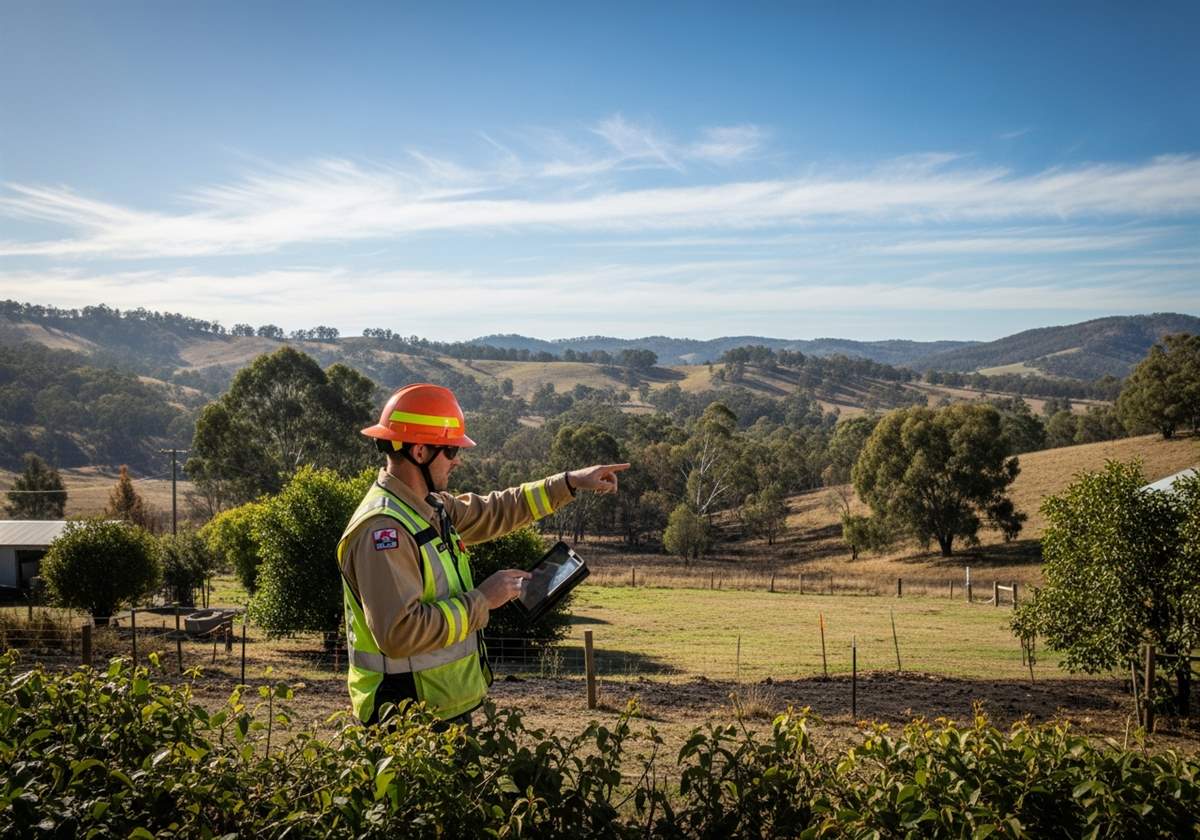
A wildfire inspection and property assessment platform where field inspectors run on-site assessments from a mobile app using dynamic inspection forms, photo documentation, audio notes and recommendation submissions, while a web portal handles scheduling, inspector assignment and availability. A strong reference for mobile products that must keep working away from a desk and under changing connectivity conditions.

A home inspection platform combining a multi-portal web system with a mobile app, giving administrators template, service and fee configuration, inspectors mobile report capture, and customers a self-service portal for inspection reports and scheduling. Automated template-based reporting cut completion from days to hours and intelligent calendar management removed double bookings — relevant to organizations replacing fragmented processes with a purpose-built mobile experience.
Scope-based estimates rather than a fixed price for every iOS app. The right model depends on workflows, integrations, roles and how much of the Apple platform the product uses.
A productive first conversation does not require a finished specification. The most useful inputs are the workflows, the users and the systems the iOS app has to work with.





















Share your app idea, existing product or mobile workflow requirements and we will help you determine the right platform strategy, architecture, integration approach and delivery model. DreamzTech combines mobile, backend, cloud, QA, data and AI expertise with clear source-code ownership and US-facing project leadership.
We do not force every application into the same framework. The stack should fit user experience, platform reach, device capabilities, performance, security, integrations, maintainability and the team that will own the product long term.
| Category | Technologies |
|---|---|
| Languages | Swift, Objective-C |
| UI | SwiftUI, UIKit, Auto Layout |
| IDE | Xcode |
| Architecture | MVVM, Clean Architecture, Coordinator, modular architecture |
| Concurrency | async/await, actors, structured concurrency, GCD for legacy code |
| Data | SwiftData, Core Data, SQLite, Keychain, caching |
| Networking | URLSession, REST, GraphQL, WebSockets |
| Cloud / Apple | CloudKit, iCloud |
| Authentication | Sign in with Apple, OAuth, OIDC, biometrics |
| Payments | Apple Pay, StoreKit |
| Maps | MapKit, Core Location |
| Device | Core Bluetooth, Core Motion, camera, supported NFC workflows |
| Health | HealthKit |
| Media | AVFoundation |
| Widgets / Live | WidgetKit, ActivityKit |
| AI / Vision | Core ML, Vision, Natural Language |
| AR | ARKit |
| Testing | Swift Testing, XCTest, XCUITest, integration testing |
| Distribution | TestFlight, App Store Connect |
| CI/CD | Fastlane, GitHub Actions, Bitrise, Xcode Cloud where appropriate |
| Monitoring | Crashlytics, Sentry, suitable observability tooling |
| Backend | .NET, Java, Node.js, Python and appropriate cloud services |
| Cloud | AWS, Azure, Google Cloud, Firebase |
Three practical steps: define the work, agree the architecture and delivery plan, then build, test and release in iterations you can see.
Target users, business outcome, must-have workflows, Apple device targets, online and offline requirements, integrations, security expectations and launch window.
UX and Apple Human Interface-aligned design direction, iOS architecture, backend and API design, technology choices, testing strategy, team shape and a release plan.
Iterative Swift delivery with demos, automated and device testing, TestFlight distribution, phased App Store release, crash and performance monitoring, then continued improvement after launch.
iOS products for industries where the app has to work in the field, on shared or managed devices, and against the systems the business already runs.
Verified client feedback consistently highlights responsiveness, practical problem solving, communication, product ownership and delivery quality.

The value is not simply access to Swift programmers. DreamzTech combines iOS product engineering with backend, APIs, cloud, QA, DevOps, data and AI capability under one delivery organization, while maintaining US-led stakeholder coordination.
iOS, backend, APIs, cloud, QA, DevOps, data and AI under one delivery organization, so the product does not stall waiting on a second vendor.
Project leadership and stakeholder communication aligned to US working hours, with global engineering scale behind it.
Repositories, source code and deliverables transfer to you according to the signed agreement, with documented handover.
Security and maintainability addressed from the architecture stage, with staged Objective-C to Swift and UIKit to SwiftUI paths rather than forced rewrites.
Share your app idea, existing iOS codebase, operational workflow or integration requirements. We can help determine the right iOS architecture, UX, backend, technology stack, testing strategy and delivery model. Swift, SwiftUI, Apple frameworks, APIs, offline apps, QA and App Store delivery. Need engineers rather than a managed engagement? Hire iOS developers instead.
Direct answers to the questions businesses commonly ask when comparing a custom mobile app development company, budget, platform strategy, timeline, security and delivery model.
DreamzTech supports product discovery, UI/UX, Swift and SwiftUI development, backend/API engineering, Apple platform integrations, testing, TestFlight, App Store release, maintenance and modernization. Engagement scope is tailored to the product rather than a fixed app template.
Yes. DreamzTech builds custom iOS applications around specific users, workflows, integrations and business requirements. Custom development can include native Swift/SwiftUI interfaces, backend APIs, offline data, payments, Apple frameworks, enterprise integrations and AI features.
Yes. Native iOS development can target iPhone and iPad using Swift, SwiftUI, UIKit and Apple platform frameworks. Device targets and layout requirements should be defined during product discovery.
Yes. Swift is the primary programming language for modern iOS development, and SwiftUI is used for modern declarative interfaces where it fits the product and deployment targets. UIKit remains supported for mature applications and hybrid migration strategies.
Yes. Existing Objective-C applications do not automatically need a full rewrite. Teams can stabilize the current product, improve test coverage and migrate selected modules to Swift where the benefits justify the work.
Yes. SwiftUI can be introduced incrementally. Existing UIKit screens can remain in production while new or frequently changed components move to SwiftUI, reducing the risk of a complete interface rewrite.
Yes, when required by the product. DreamzTech can support Apple Pay, StoreKit, subscriptions and related backend integration as part of a properly scoped iOS application.
Yes. Health and wellness products can integrate HealthKit when appropriate. Data handling, permissions, security and regulatory requirements must be scoped against the full application architecture.
Yes. iOS applications can support Bluetooth Low Energy use cases such as discovery, connection, service/characteristic communication, device configuration and real-time data workflows.
Yes. Offline-capable iOS apps can use local storage, caching, queued transactions, synchronization and conflict-handling strategies. The correct design depends on which workflows must continue without connectivity.
Yes. DreamzTech can integrate iOS applications with REST, GraphQL, WebSockets and custom APIs as well as ERP, CRM, identity, logistics, healthcare and other business systems.
Yes. iOS engagements can include user journeys, wireframes, interactive prototypes, Apple Human Interface Guideline-aligned design, accessibility and a reusable design system.
Yes. iOS delivery can include signing, certificates, provisioning, TestFlight, App Store Connect and submission support. Final approval remains subject to Apple’s review process and policies.
Cost depends on the number of workflows, user roles, backend requirements, integrations, Apple frameworks, offline functionality, security, QA and release responsibility. DreamzTech recommends a scope-based estimate after the core product requirements are understood.
Timeline depends on product scope and dependencies. A focused MVP can be delivered faster than a complex enterprise platform with multiple roles, APIs, offline synchronization, hardware integration and stringent security requirements.
Yes. AI functionality can include intelligent search, assistants, computer vision, recommendations, document understanding, voice workflows and automation. Solutions may use Core ML/Vision or secure cloud AI services depending on the requirement.
Yes. Post-launch support can include bug fixes, iOS compatibility, dependency updates, security work, performance optimization, crash monitoring and new product features.
Native iOS is often a strong fit when Apple-specific UX, deep Apple APIs, device integration or a substantial iOS roadmap matters. Flutter may be attractive when iOS and Android share most workflows and shared code is a major economic priority.
US organizations often value local stakeholder communication, business-hour alignment and a clear escalation path. DreamzTech combines US-led coordination with global engineering delivery, allowing clients to maintain local communication while accessing a broader software team.
Yes. If your organization already manages product, architecture and delivery, use DreamzTech’s dedicated developer model instead. Link to the Hire iOS Developers page for Swift/SwiftUI staff augmentation.