











DreamzTech is a Python web development company building web applications, SaaS platforms, portals and APIs on Django, Flask and FastAPI.
We take responsibility for the whole engagement — architecture, engineering, QA, cloud and support — with the source code and IP owned by you.


Python suits web products that have to do real work — complex business rules, heavy data, integrations with systems you do not control, and a roadmap that keeps moving. Our Python web development services cover the full lifecycle: discovery and architecture, application engineering, APIs and integrations, database design, cloud deployment, QA and long-term support.
If you need engineers to join a team you already run rather than a delivery partner, you can hire Python developers instead.
Business applications, portals and internal platforms built on Django, Flask or FastAPI, with the workflows, roles and reporting your operation actually runs on.
Multi-tenant SaaS platforms with subscription models, tenant isolation, onboarding, billing integration and the release process to keep shipping after launch.
REST and GraphQL services that connect ERP, CRM, payment and partner systems, built as custom API development rather than brittle point-to-point scripts.
Reporting platforms, analytics front-ends and data-processing applications where volume, accuracy and query performance decide whether the product is usable.
Python is the natural home for applied AI. We add search, document processing, agents and predictive features through AI software development.
Upgrade ageing Python applications, frameworks and APIs, then keep them maintained — or take over a codebase another team built.
A single team covering architecture, application engineering, APIs, databases, cloud, QA and support — so responsibility for the result sits in one place rather than being split across suppliers.
Business applications, portals and internal platforms built to your workflows rather than bent around an off-the-shelf product. We model the domain, design the data structures and build the roles, approvals and reporting your operation depends on.
Django and Django REST Framework for applications that need a mature admin, solid data modelling and a stable release path — marketplaces, enterprise portals, content platforms and data-driven products.
Multi-tenant SaaS built on Python: tenant isolation, subscription and billing integration, onboarding, role models, usage reporting and a deployment process that supports frequent releases without disrupting existing customers.
Containerised deployment to AWS, Azure or Google Cloud with infrastructure as code, CI/CD pipelines, automated testing, observability and rollback procedures — so releases are routine rather than events.
FastAPI and Django REST services that expose your product to mobile apps, partners and internal systems, plus integration layers for ERP, CRM, payment and logistics platforms with authentication, rate limiting and monitoring built in.
Upgrade ageing Python applications, frameworks, databases and APIs, or take ownership of a codebase another team built — including documentation recovery, test coverage and a maintenance model that keeps the product supportable.
The products we are most often asked to build with Python, and what usually makes them difficult.
Multi-tenant products where the hard parts are isolation, billing and being able to release without disrupting existing customers.
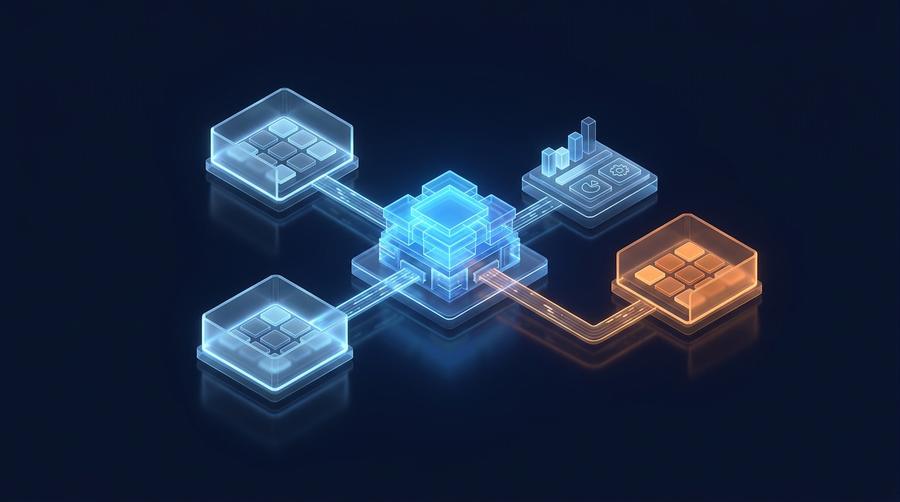
Applications that have to match how the business already works — approvals, permissions and reporting that reflect real responsibility, not a generic template.
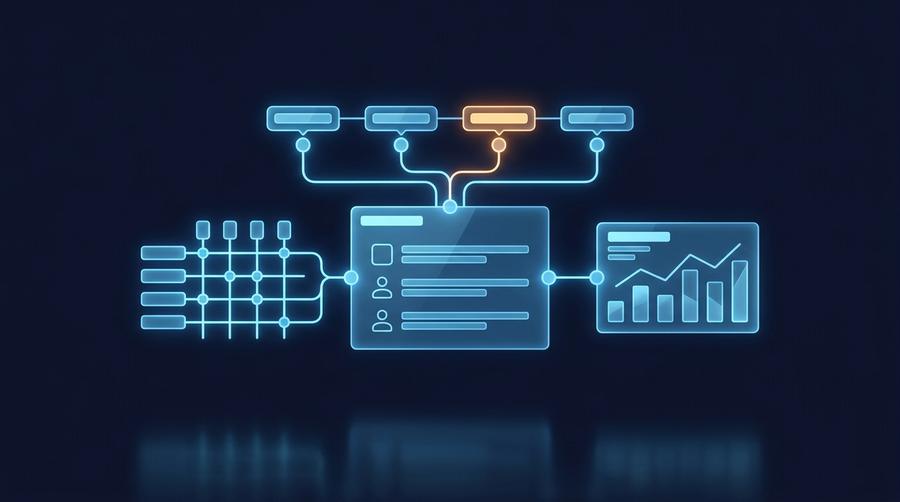
Catalogue, pricing, vendor and order services where correctness under load matters more than anything on the front end.
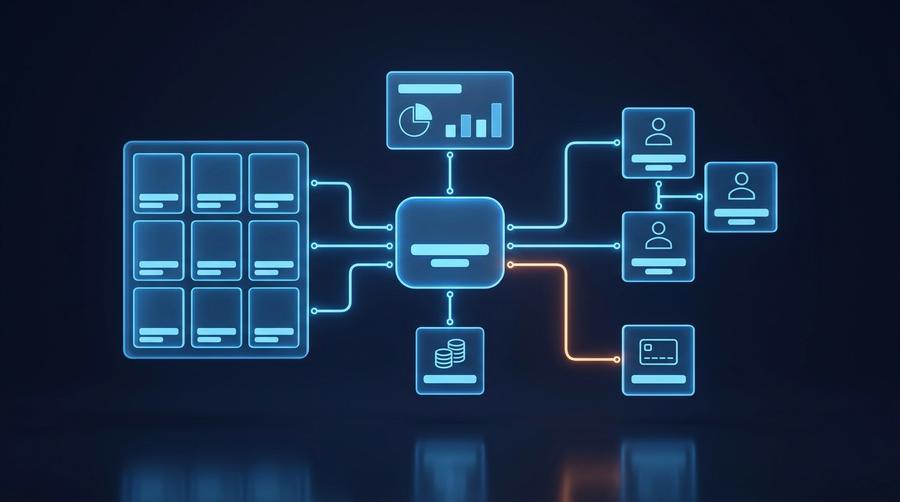
Front-ends over significant data volumes, where query performance and accuracy decide whether people trust the product.
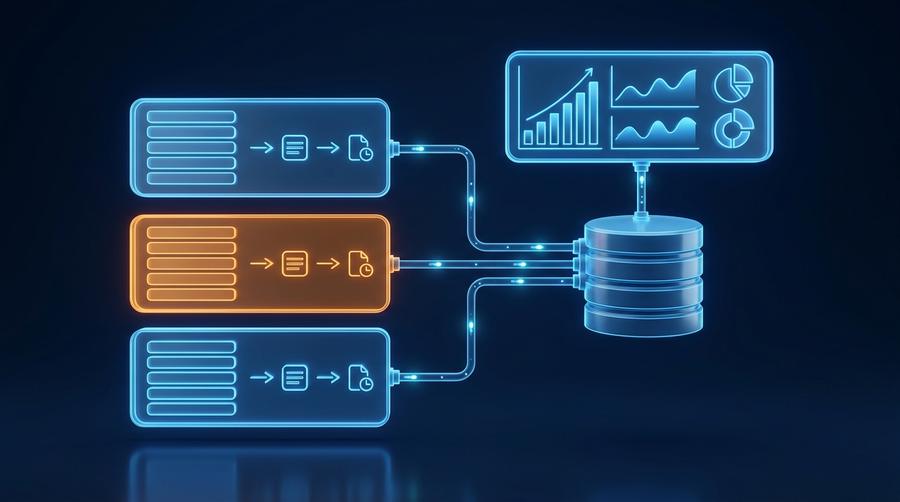
Python is where applied AI already lives, so adding retrieval, document processing or agents to a Python web product is an extension rather than a second platform.
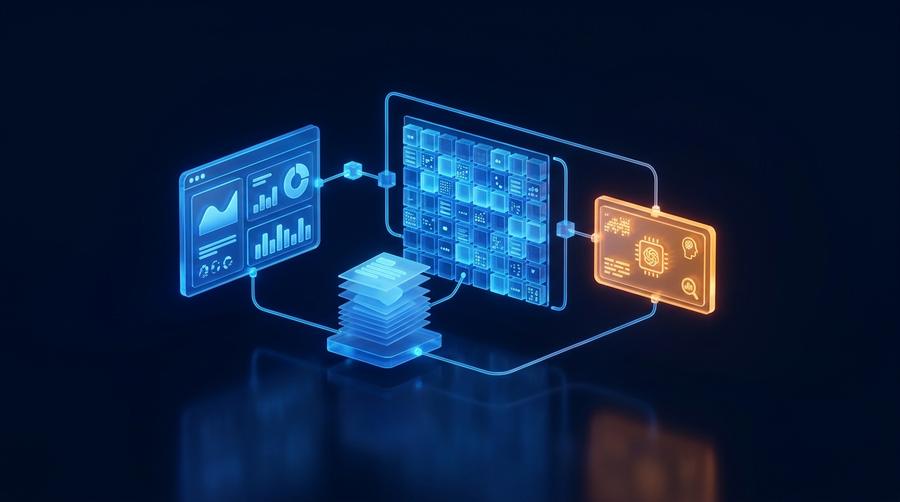
Taking over a Python codebase that has become hard to change — stabilising it first, then modernising the parts that actually hold the product back.
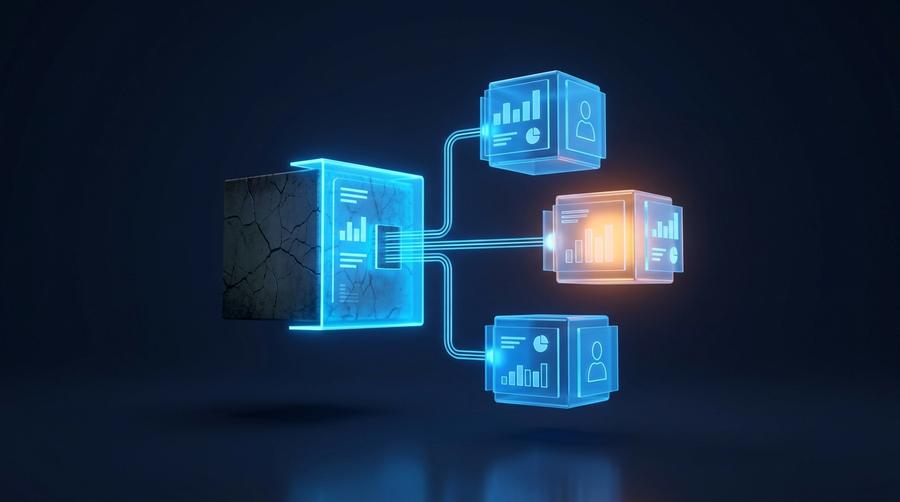
Python is not the answer to everything, but for a particular kind of web product it removes more problems than it creates. These are the conditions where we recommend it without hesitation.
Rules, pricing, eligibility and approval logic that changes often. Python keeps that logic readable, which is what makes it safe to change months later.
Pandas, NumPy and the wider data ecosystem sit in the same language as the application, so analytics and processing do not need a second platform.
Mature client libraries for almost every enterprise system, payment provider and cloud service, which shortens integration work considerably.
Applied AI is already written in Python. Adding retrieval, document processing or agents later is an extension of the same codebase, not a rewrite.
Django in particular provides admin, auth, ORM and migrations out of the box, so early velocity does not come at the cost of a rebuild.
Python is widely taught and widely used, so the product stays maintainable and you are never dependent on one scarce specialism.
The difference between a product that survives its second year and one that does not is usually process, not framework choice.
Domain modelling, data design and service boundaries agreed before implementation starts, so the structure holds as scope grows.
Unit, integration and regression coverage with mandatory review, so changes late in the project stay as safe as changes early in it.
Authentication, role-based access, dependency scanning, secrets management, encryption and audit logging treated as architecture rather than a final checklist.
Repeatable pipelines, environment parity, monitoring and rollback paths so releases are routine and problems are visible before customers report them.
Chosen per project against your requirements, existing systems and team — not a fixed house stack applied to everything.
The application layer, chosen against what the product actually needs rather than fashion.
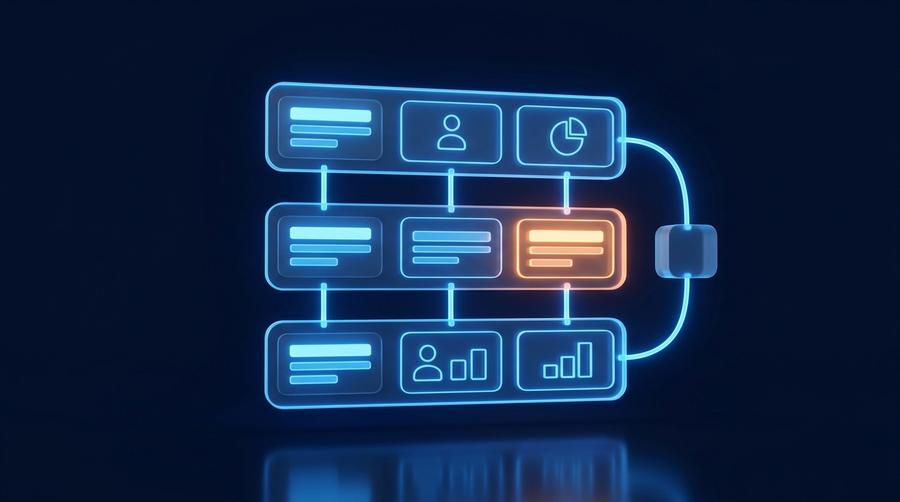
Server-rendered Django templates where that is simplest, or a JavaScript front end against a Python API where the interface warrants it.
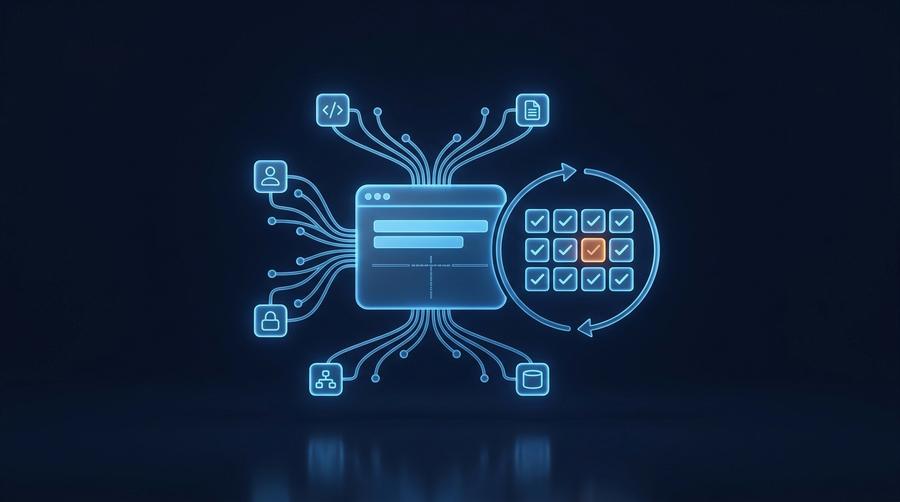
Schema design, indexing and access patterns that hold up as data grows.
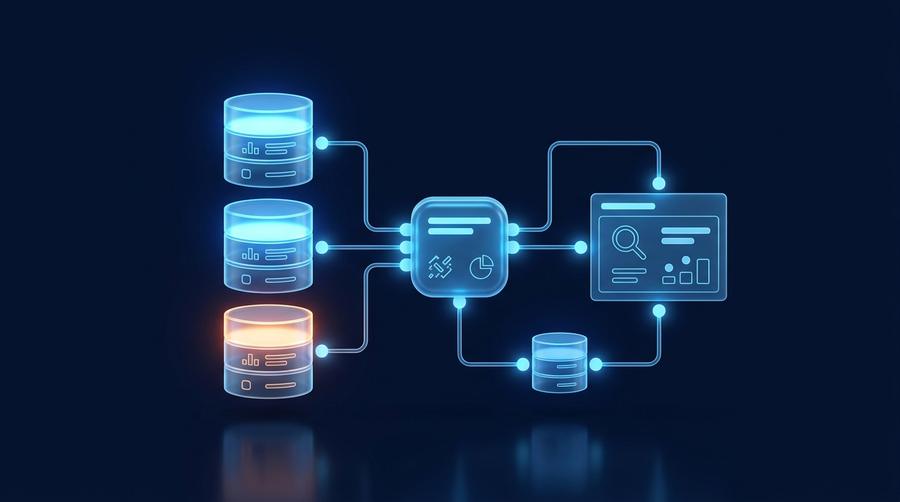
The same language as the application, so analytics and AI features do not require a second platform.
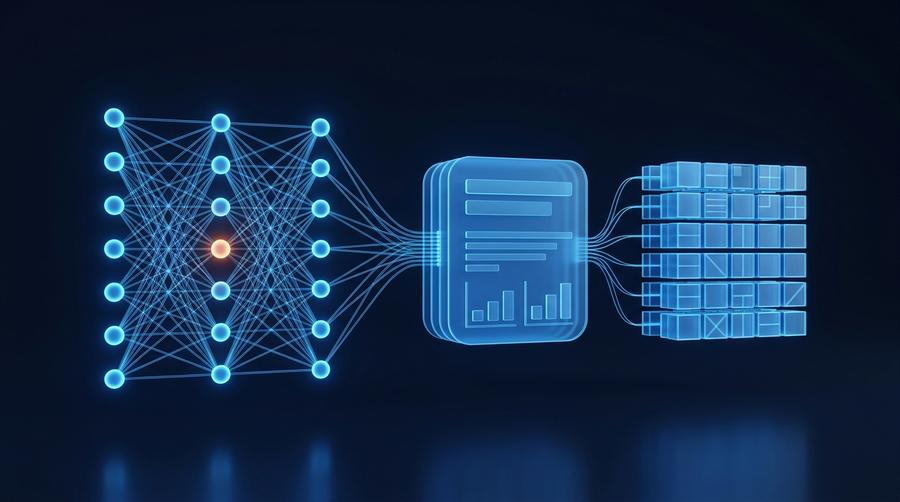
Deployment that is repeatable, observable and reversible.
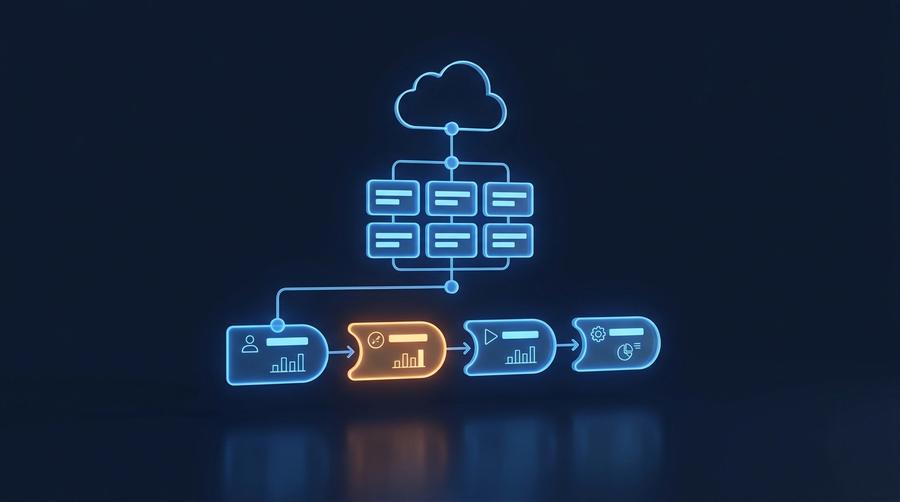
Coverage that makes later change safe, rather than tests written once at handover.
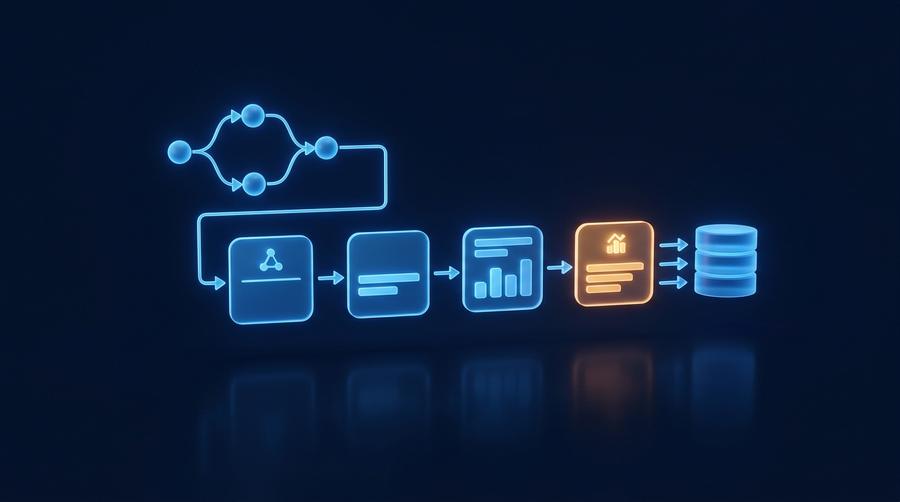
Most Python projects do not fail on syntax. They fail on architecture decided too late, integrations underestimated, or a codebase nobody can safely change a year in.
Architecture, application engineering, APIs, databases, cloud, DevOps and QA come from one coordinated team, so responsibility for the outcome is not divided between suppliers who each blame the other.
Domain modelling up front, automated tests around behaviour and mandatory code review mean the product stays safe to change long after launch, rather than calcifying into something nobody wants to touch.
Source code and intellectual property developed under the engagement belong to you under the agreed contract, with documentation and handover included so you are never locked to us by obscurity.
Engagement and project management are US-led, backed by a global engineering organisation across software, AI, data, cloud, mobile and QA. Architecture discussions, demos and escalations happen in your working hours, and capacity scales as the roadmap changes.
Scoping, architecture reviews, sprint demos, escalations and executive reporting coordinated through US-facing project leadership.
Overlapping hours for the decisions that actually block progress — legacy behaviour, integrations, data migration, UAT and production cutover issues.
Ownership terms defined in the engagement agreement, so the modernized codebase, documentation and roadmap remain under your control, subject to third-party technology licences.
Three ways to work with us, depending on whether you need a partner to own delivery, a managed team alongside your product organization, or specific expertise added to engineers you already have.
Share the product, the users it serves and the systems it has to work with. We will come back with the likely architecture, the parts that carry risk and a realistic estimate — not a number pulled before anyone understood the problem.


NDA protected • Full IP ownership • US-led delivery • No obligation.
There is no single right answer, and a Python web development company that recommends the same framework for every project is telling you about itself rather than your product. This is how we actually choose.
| Technology | What it gives you | Where we use it |
|---|---|---|
| Django | Batteries-included: ORM, admin, auth, migrations | Content-rich products, portals, marketplaces, anything with a strong data model |
| Django REST Framework | Serialisation, auth and permissions over Django models | APIs on top of an existing Django domain model |
| FastAPI | Async by default, typed, high throughput | Model-serving, microservices, AI backends, high-volume APIs |
| Flask | Minimal core, assembled from libraries | Small focused services where a full framework is overhead |
| Celery | Distributed task queue and scheduling | Background jobs, report generation, long-running work |
| PostgreSQL | Relational with strong JSON and indexing support | Default choice for transactional Python applications |
Domain context changes the architecture, not just the copy. These are the sectors we most often build Python web products for.
Patient and provider applications where access control, auditability and integration with clinical systems shape the design from the first sprint.

Applications where correctness, reconciliation and audit trails matter more than release speed.

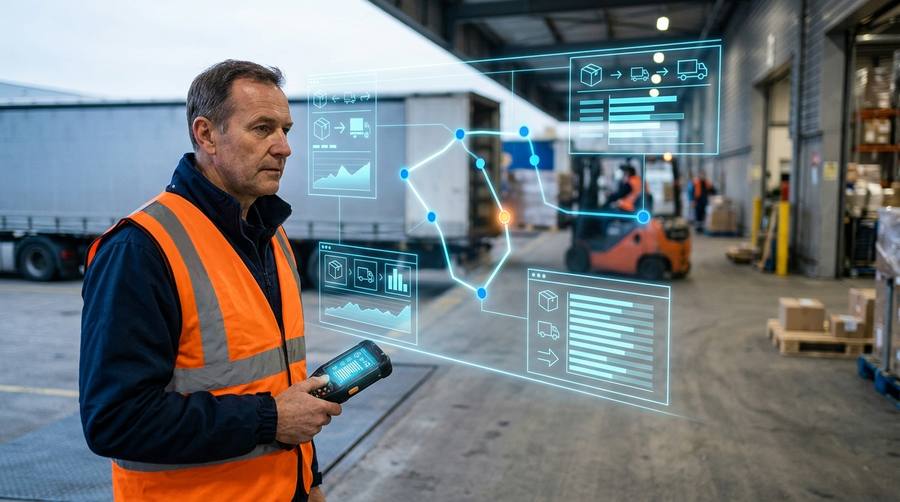
Shipment, routing and warehouse platforms that have to stay accurate while integrating with carriers and partners you do not control.
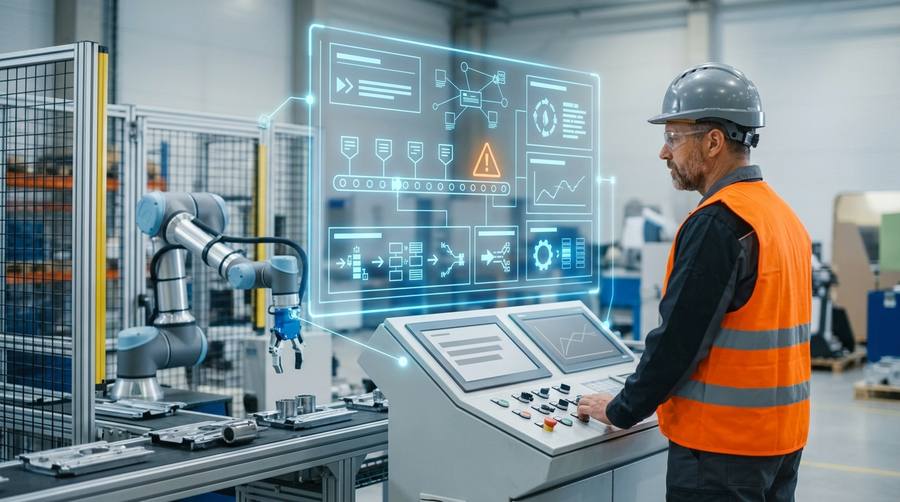
Production, inventory and maintenance applications connected to ERP, MES and equipment data.
Commerce and marketplace backends where catalogue, pricing and order correctness under load decide the experience.

Property, tenant and transaction platforms with document workflows and portfolio reporting.

Reservation, property and guest platforms that have to stay available through peak trading.

Estimating, document and project-management platforms used by both site and office teams.

We map the users, workflows, data and integrations, then agree the architecture, the delivery sequence and a realistic estimate before engineering begins.
Working software at the end of each sprint, with automated tests, code review and a demo — so scope and direction can change while the cost of changing them is still low.
Deployment with monitoring and rollback, documentation and handover, then a support model that keeps the product secure, current and moving.
Verified client feedback consistently highlights responsiveness, practical problem solving, communication and delivery quality.
Hiring a Python web development company should give you more than developer hours. These stay in place regardless of how the engagement is structured.
When the product needs mobile, AI, data, cloud or QA depth, it comes from the same organisation rather than a new supplier relationship and another onboarding cycle.
Long-lived products, not just launches — which is where architecture decisions and test coverage either pay off or cost you.
Modern developer-assistance tools accelerate repetitive engineering, testing and documentation, with engineers accountable for architecture, security and what reaches production.
Start with a defined project and move to a standing team, or take the other route entirely and hire Python developers into your own team.


Tell us what the product needs to do, who it serves and what it has to integrate with. We will come back with a recommended architecture, the risks worth knowing about early, and a phased plan to build it.
Direct answers to what buyers ask before committing: what the services cover, what drives cost and timeline, how to choose a framework, whether Python scales, and when a development company beats hiring engineers directly.
Python web development services cover the design, engineering, deployment and support of web applications built in Python. That typically includes architecture and data modelling, application development on Django, Flask or FastAPI, API and system integration, database design, cloud deployment, automated testing and ongoing maintenance.
A Python web development company takes responsibility for delivering a working web product rather than supplying individual developers. That means discovery and architecture, building the application, integrating it with the systems it depends on, testing and deploying it, and supporting it after launch.
Cost depends on the scope of the application, the number and difficulty of integrations, data complexity, compliance requirements, expected load and how much design work is involved. A short discovery phase is usually the fastest way to a reliable estimate, because it replaces guesswork about the hard parts with an actual architecture.
A focused MVP with a clear scope can often be delivered in a few months, while an enterprise platform with many integrations, migrations and compliance requirements runs considerably longer and is normally delivered in phases. The integration surface is usually a better predictor of timeline than feature count.
Django suits products with a strong data model that benefit from its built-in admin, ORM, auth and migrations. FastAPI suits asynchronous services, high-throughput APIs and AI backends. Flask suits small focused services where a full framework is unnecessary overhead. Many systems use more than one.
Python is a strong choice when the product has complex business logic, significant data processing, many integrations or a likely path to AI features. It is less compelling for workloads that are almost entirely real-time and connection-bound, where other runtimes may fit better. The right answer depends on the product.
Yes. Python is widely used for multi-tenant SaaS. The work that decides success is usually tenant isolation, subscription and billing integration, permission modelling and a release process that lets you ship frequently without disrupting existing customers.
Yes. Scaling is normally an architecture question rather than a language one: database design and indexing, caching, moving slow work to background queues, statelessness and horizontal scaling, and asynchronous services where throughput demands it.
Yes. We start with a codebase assessment covering architecture, dependencies, test coverage, security exposure and documentation, stabilise what is fragile, then modernise the parts genuinely holding the product back. See application modernization services.
Yes. Support engagements typically cover security and dependency updates, framework upgrades, monitoring, bug fixes and continued feature development, with agreed response times and a regular release cadence.
Yes. Python has mature client libraries for most enterprise platforms, and we build integrations as documented API and service layers rather than point-to-point scripts, so they can be maintained and replaced independently. See custom API development services.
Yes, and Python makes this unusually straightforward because applied AI already lives in the same language. Retrieval and semantic search, document processing, agents and predictive features can extend an existing Python codebase rather than requiring a second platform. See AI software development services.
Choose a development company when you want one party accountable for architecture, engineering, QA, deployment and delivery. Choose individual engineers when you already have product leadership, architecture and engineering process in place and mainly need additional capacity — in which case you can hire Python developers directly.