Global supply chains lost an estimated $4 trillion in value during the pandemic disruptions of the early 2020s. Port backlogs stretched to weeks. Inventory buffers exploded. Demand signals that once took days to propagate now shifted hourly. The companies that survived—and the ones that actually gained market share—had one thing in common: they had already invested in AI-driven logistics infrastructure before the chaos arrived. In 2026, that gap between AI-ready and AI-absent supply chains isn’t closing. It’s accelerating.
This guide is for VPs of Supply Chain, CTOs, and Operations Directors who need an honest, detailed picture of where AI in logistics and supply chain actually delivers ROI—and where the hype still outpaces reality. We cover demand forecasting, autonomous warehousing, last-mile optimization, predictive maintenance, and the technology stack you need to build a resilient, intelligent supply chain in 2026.
Let’s get into it.
Quick answer — What AI in Logistics & Supply Chain looks like in 2026
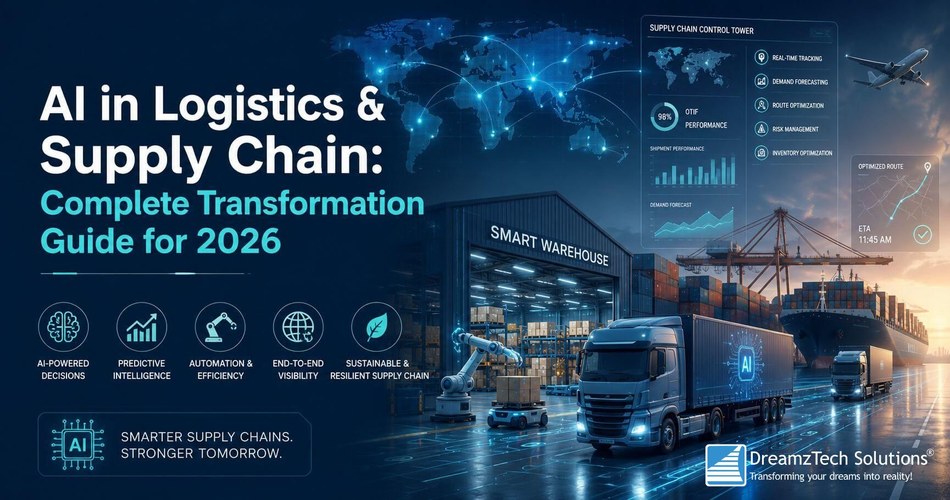
AI in logistics and supply chain is the deployment of machine learning, computer vision, LLMs, and predictive analytics across the five operational layers of freight movement: demand sensing (20–50% forecast accuracy uplift), autonomous warehousing (25–30% productivity gain via AMRs and RFID-enabled inventory), intelligent route optimisation (15–30% last-mile cost reduction), predictive maintenance (20–40% unplanned-downtime reduction), and end-to-end supply chain visibility (real-time exception management and risk scoring). Enterprises that deploy integrated AI logistics platforms with a dedicated logistics software development partner typically cut total logistics cost by 15–30% and payback the investment in 12–18 months.
What “AI in Logistics & Supply Chain” Actually Means in 2026
The term gets thrown around so loosely that it’s nearly meaningless at industry conferences. So let’s define it precisely. AI in logistics and supply chain refers to the deployment of machine learning models, computer vision systems, natural language processing, and autonomous decision engines across the physical and digital flow of goods—from raw material sourcing through last-mile delivery and reverse logistics.
This is not robotic process automation. RPA follows rigid rules; it breaks the moment an exception appears. AI-driven logistics systems learn from exceptions. They get better when things go wrong, and they surface patterns that no human analyst could spot across millions of simultaneous data points.
The Five Operational Layers Where AI Is Deployed
Modern AI logistics stacks operate across five distinct layers, each with different data inputs, latency requirements, and business outcomes:
- Strategic Planning Layer — Long-horizon demand forecasting, supplier network design, risk modeling, and S&OP optimization. AI models here run on historical sales data, macroeconomic indicators, and geopolitical signals. Output latency: days to weeks.
- Tactical Execution Layer — Inventory positioning, carrier selection, warehouse labor planning, and purchase order automation. Output latency: hours to days.
- Operational Control Layer — Real-time route optimization, warehouse slotting, yard management, and dock scheduling. Output latency: minutes to hours.
- Visibility & Sensing Layer — IoT sensors, RFID readers, computer vision cameras, and telematics devices that feed raw data into the AI stack. This is the nervous system of the operation.
- Edge Intelligence Layer — Autonomous mobile robots (AMRs), smart forklifts, self-driving yard trucks, and edge AI cameras that make real-time decisions without round-tripping to the cloud.
The organizations seeing 20–40% cost reductions aren’t deploying AI in one layer. They’re integrating all five. That integration is the hard part—and it’s where most pilots fail to scale.
How This Differs From Traditional Supply Chain Software
Traditional ERP and WMS systems are record-keeping systems. They tell you what happened. AI logistics systems are decision-making systems. They tell you what to do next—and increasingly, they just do it. If your current WMS requires a warehouse manager to manually decide where to put a new SKU, that’s table stakes from 2015. A modern cloud-based RFID warehouse management system with embedded AI continuously optimizes slotting decisions based on pick frequency, velocity trends, and real-time inventory positions—automatically.
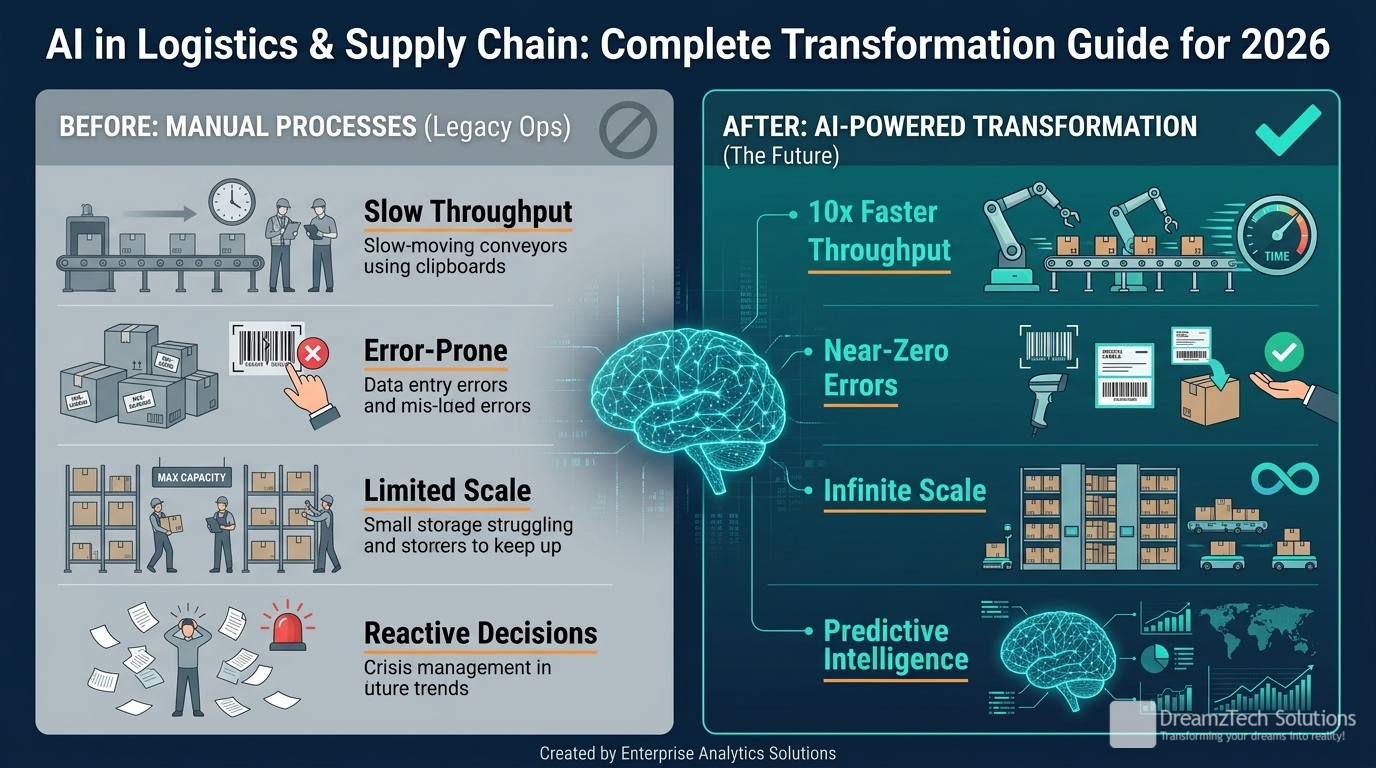
Figure 1: Before and after comparison for AI in Logistics & Supply Chain: Complete Transformation Guide for 2026
Why 2026 Is the Inflection Point for AI in Logistics
The logistics AI market isn’t growing—it’s compounding. Grand View Research values the global AI in supply chain market at $6.2 billion in 2024, projecting a CAGR of 45.3% through 2030. That’s not a growth curve. That’s a near-vertical line. Three structural forces are driving this acceleration in 2026 specifically.
Force 1: LLMs Have Unlocked Unstructured Supply Chain Data
Roughly 80% of supply chain data is unstructured—carrier emails, customs documents, supplier contracts, weather reports, port authority notices. Until large language models (LLMs) reached enterprise-grade reliability in 2024–2025, that data was essentially invisible to traditional analytics systems. Now, AI platforms ingest carrier delay notifications, parse customs broker emails, and extract lead time commitments from supplier PDFs—all without human intervention. The information advantage this creates over competitors still running manual data entry is enormous.
Force 2: Hardware Costs Have Collapsed
The cost of deploying computer vision at warehouse scale has dropped by roughly 70% since 2021. Edge AI chips from AWS Inferentia and similar providers now make it economically viable to run inference models on every conveyor line, every dock door, and every picking aisle. The capital barrier that once reserved AI warehousing for Amazon and Walmart now applies to regional 3PLs and mid-market manufacturers.
Force 3: Labor Scarcity Is Not Improving
McKinsey’s logistics research consistently finds that warehouse labor availability is one of the top operational risks for supply chain executives. With unemployment at structural lows in most OECD economies and warehouse worker turnover running at 40–50% annually, automation is no longer a cost optimization play. For many operations, it’s a survival strategy. AI-guided picking, robotic put-walls, and autonomous replenishment aren’t displacing existing workers—they’re filling positions that companies literally cannot hire humans to fill.
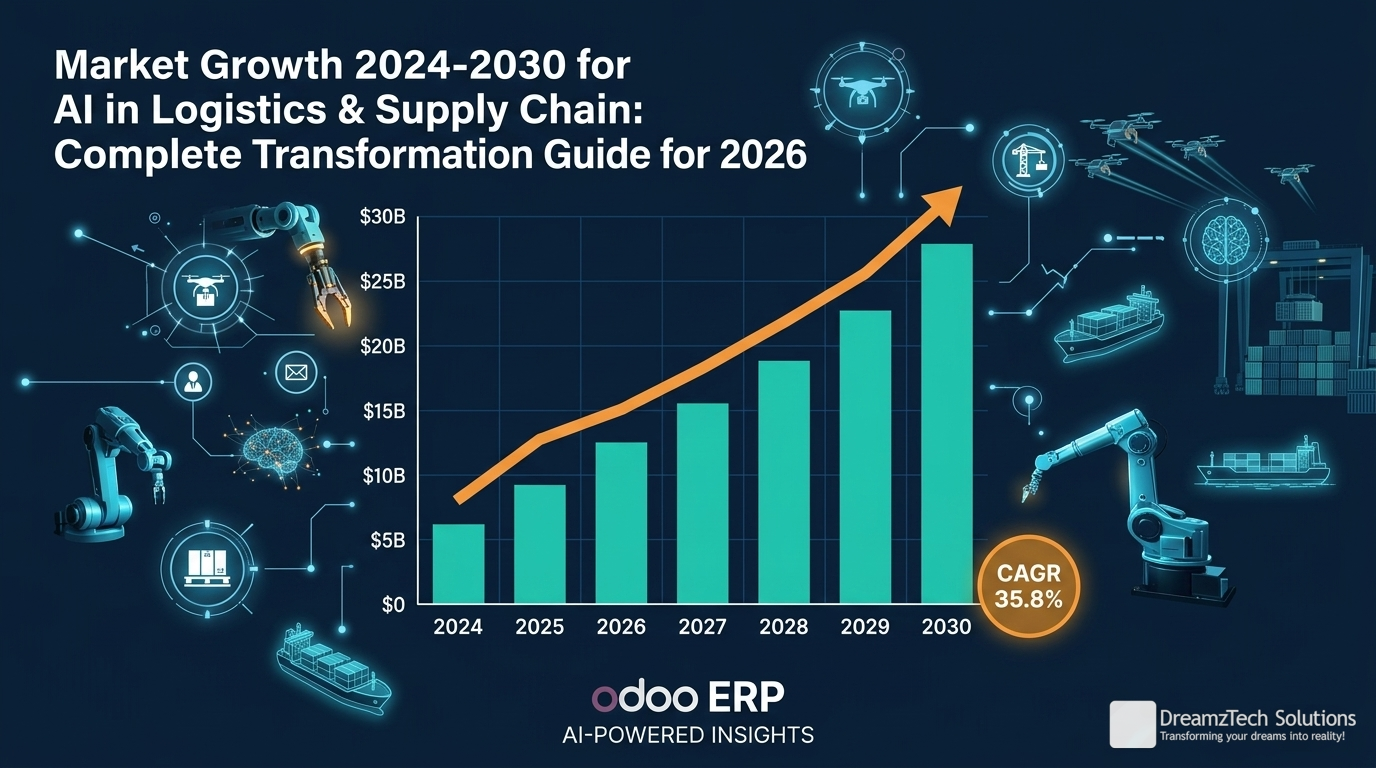
Figure 2: AI in Logistics & Supply Chain: Complete Transformation Guide for 2026 market growth 2024-2030
Core AI Capabilities Transforming Logistics Operations
Let’s move past the theory. Here are the specific AI capabilities with proven, measurable impact in 2026—what they do, how they work, and what numbers you should expect.
1. Demand Sensing and Probabilistic Forecasting
Classical demand forecasting used statistical methods—moving averages, exponential smoothing, seasonal decomposition—on 12–24 months of historical sales data. These models assume the future resembles the past. AI demand sensing uses gradient-boosted trees, LSTM neural networks, and increasingly, transformer-based models to ingest dozens of external signals simultaneously: weather patterns, social media sentiment, competitor pricing, economic indicators, and real-time point-of-sale data from retail partners.
The result is a shift from monthly or weekly forecasting cycles to hourly demand signals that propagate upstream through the supply chain. Deloitte’s supply chain research found that companies using AI-driven demand sensing reduced forecast error by 30–50% compared to statistical baselines—translating directly to lower safety stock, fewer stockouts, and better working capital efficiency.
2. Autonomous Warehouse Management and Robotics
The modern AI-powered warehouse isn’t the flashing-lights robot show you see in vendor marketing videos. The operational reality is more nuanced—and more interesting. AI warehouse management operates through three interlocking systems:
- Orchestration Layer: A warehouse execution system (WES) with embedded AI that dynamically prioritizes tasks across human workers, AMRs, and fixed automation based on real-time order urgency, equipment availability, and labor position. This is the conductor of the warehouse orchestra.
- Computer Vision Quality Control: Cameras at inbound receiving docks use convolutional neural networks to identify damaged goods, verify SKU counts, and flag discrepancies—eliminating the receive-first-audit-later approach that buries quality issues downstream.
- Slotting Intelligence: AI continuously analyzes pick patterns to relocate fast-moving SKUs closer to pack stations, reducing travel time. In high-velocity DCs, dynamic AI slotting alone reduces pick labor by 15–25%.
Building these capabilities requires purpose-built software that integrates with your existing WMS infrastructure. Working with an experienced logistics software development company is often faster and more cost-effective than waiting for legacy WMS vendors to bolt on AI features that don’t fit your operation’s specific workflows.
3. Intelligent Route Optimization and Last-Mile Delivery
Last-mile delivery costs represent 41–53% of total logistics spend, according to McKinsey’s last-mile delivery analysis. AI route optimization doesn’t just find the shortest path—that’s what Google Maps does. Enterprise-grade AI route optimization simultaneously solves for:
- Delivery time windows and customer priority tiers
- Driver hours-of-service compliance
- Vehicle capacity (weight, volume, temperature zones)
- Real-time traffic and weather disruptions
- Failed delivery reattempt sequencing
- Carbon footprint targets
Modern solvers use a combination of constraint programming and reinforcement learning to find near-optimal solutions for fleets of 50–5,000 vehicles in under two minutes. The best implementations continuously reoptimize mid-route as conditions change—rerouting around accidents, resequencing stops when a customer reschedules, and dynamically inserting same-day orders into existing routes without blowing up the schedule.
4. Predictive Maintenance for Fleet and Equipment
Unplanned equipment downtime is one of the most financially destructive events in logistics. A single breakdown on a critical conveyor line during peak season can cost hundreds of thousands of dollars in missed SLAs and expediting fees. AI predictive maintenance changes the equation entirely.
IoT sensors on motors, conveyors, forklifts, and over-the-road trucks stream vibration, temperature, current draw, and acoustic data to ML models trained to recognize pre-failure signatures—patterns that appear 2–14 days before a human technician would notice a problem. Gartner’s supply chain analytics research attributes 25–30% reductions in unplanned downtime to AI-driven predictive maintenance programs in logistics environments.
5. AI-Powered Supply Chain Visibility and Risk Management
End-to-end supply chain visibility has been the industry’s white whale for two decades. Carrier tracking APIs, EDI 214 messages, and control tower dashboards gave companies a fragmented, often stale picture of in-transit inventory. AI changes the visibility equation in two critical ways.
First, AI aggregates and normalizes data from hundreds of disparate sources—carrier APIs, port authority systems, customs databases, weather services, and news feeds—into a single unified view. Second, and more importantly, AI applies predictive models to that data to flag at-risk shipments before they miss a milestone. Instead of reacting to a late delivery notification, your control tower gets a 48-hour warning that a specific shipment has a 73% probability of delay based on current port congestion, weather at origin, and carrier performance history on that lane.
For organizations running complex multi-tier operations with third-party logistics providers, building a purpose-fit 3PL logistics software platform with embedded AI visibility is often the only way to get the real-time data granularity that off-the-shelf visibility tools can’t provide.
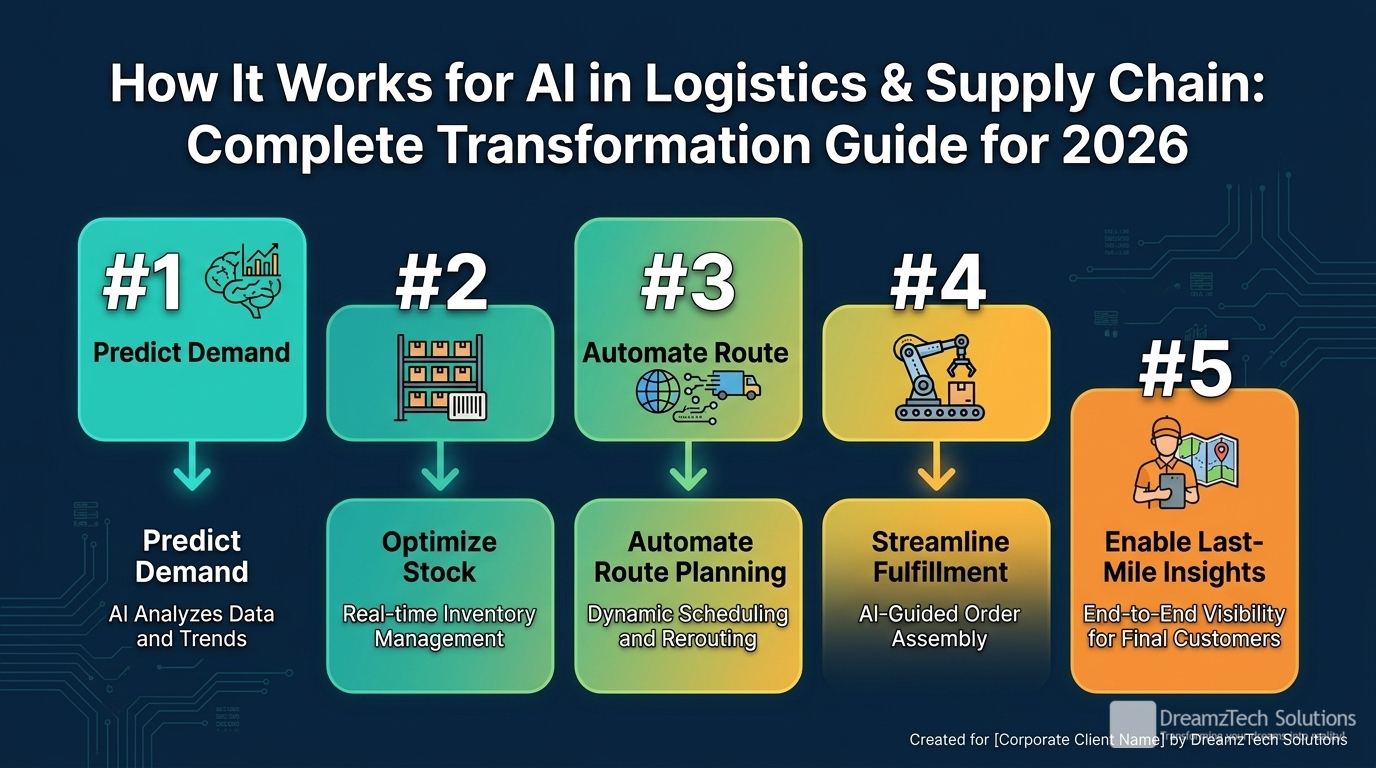
Figure 3: How AI in Logistics & Supply Chain: Complete Transformation Guide for 2026 works step by step
Industry-by-Industry: Where AI in Logistics Delivers the Highest ROI
AI doesn’t impact every vertical equally. The ROI depends on margin structure, order complexity, volume variability, and the maturity of existing logistics infrastructure. Here’s how the most active industries are deploying AI in their supply chains—and what they’re actually getting back.
Retail and E-Commerce
This is the most mature vertical for logistics AI, driven by the existential pressure Amazon placed on every other retailer’s delivery expectations. AI applications dominating retail logistics in 2026 include:
- Micro-fulfillment center placement: ML models analyze demographics, order density, and real estate costs to identify optimal dark store locations that bring inventory within 30-minute delivery range of dense urban populations.
- Returns prediction and pre-routing: AI models trained on return rates by SKU, customer segment, and purchase channel predict which orders are likely to be returned before they’re even delivered—enabling proactive reverse logistics routing that cuts returns processing cost by up to 35%.
- Dynamic pricing for delivery options: AI calculates the true marginal cost of different delivery windows in real time and prices them accordingly, shifting customer behavior toward more efficient delivery patterns without sacrificing experience scores.
Manufacturing and Industrial
Forrester Research identifies manufacturing as the vertical with the highest untapped AI potential in supply chain—specifically in supplier risk management and production-to-logistics coordination. Key applications include:
- AI-driven supplier risk scoring: Models that monitor supplier financial health, geopolitical exposure, ESG compliance scores, and capacity utilization—flagging at-risk suppliers 60–90 days before disruption events.
- Production schedule to outbound logistics synchronization: ML models that align finished goods production timing with carrier pickup windows, reducing finished goods inventory at plant by 20–40% through just-in-time handoffs to carriers.
- RFID-based inventory accuracy: Real-time inventory accuracy at factory warehouses using RFID-based logistics tracking systems eliminates the phantom inventory problem that causes production stoppages when materials appear in the system but aren’t physically present.
Pharmaceutical and Cold Chain
Cold chain logistics operates at the intersection of extreme regulatory scrutiny and zero-tolerance for product loss. AI has transformed cold chain management in three specific areas. Continuous temperature monitoring with anomaly detection catches excursion events 8–12 hours earlier than threshold-based alarms—preserving product that would otherwise require destruction. AI route optimization for cold chain delivery considers refrigeration unit runtime, door-open events, and ambient temperature forecasts to maintain precise temperature windows across multi-stop routes. And AI-powered documentation processing eliminates the manual effort of regulatory compliance paperwork for pharmaceutical distribution—critical for FDA Part 11 and GDP compliance.
Ocean and Air Freight Forwarding
Global freight forwarding has been radically disrupted by AI-native platforms that provide dynamic rate benchmarking, carrier performance scoring, and capacity allocation optimization. AI models trained on billions of historical shipment records can now predict carrier transit time reliability on specific lanes with 85%+ accuracy—enabling freight forwarders to offer guaranteed delivery windows that were previously impossible to price. AIIM‘s document intelligence frameworks, originally built for financial services, are now widely deployed in freight forwarding for automated customs document processing—eliminating one of the most labor-intensive and error-prone steps in international logistics.
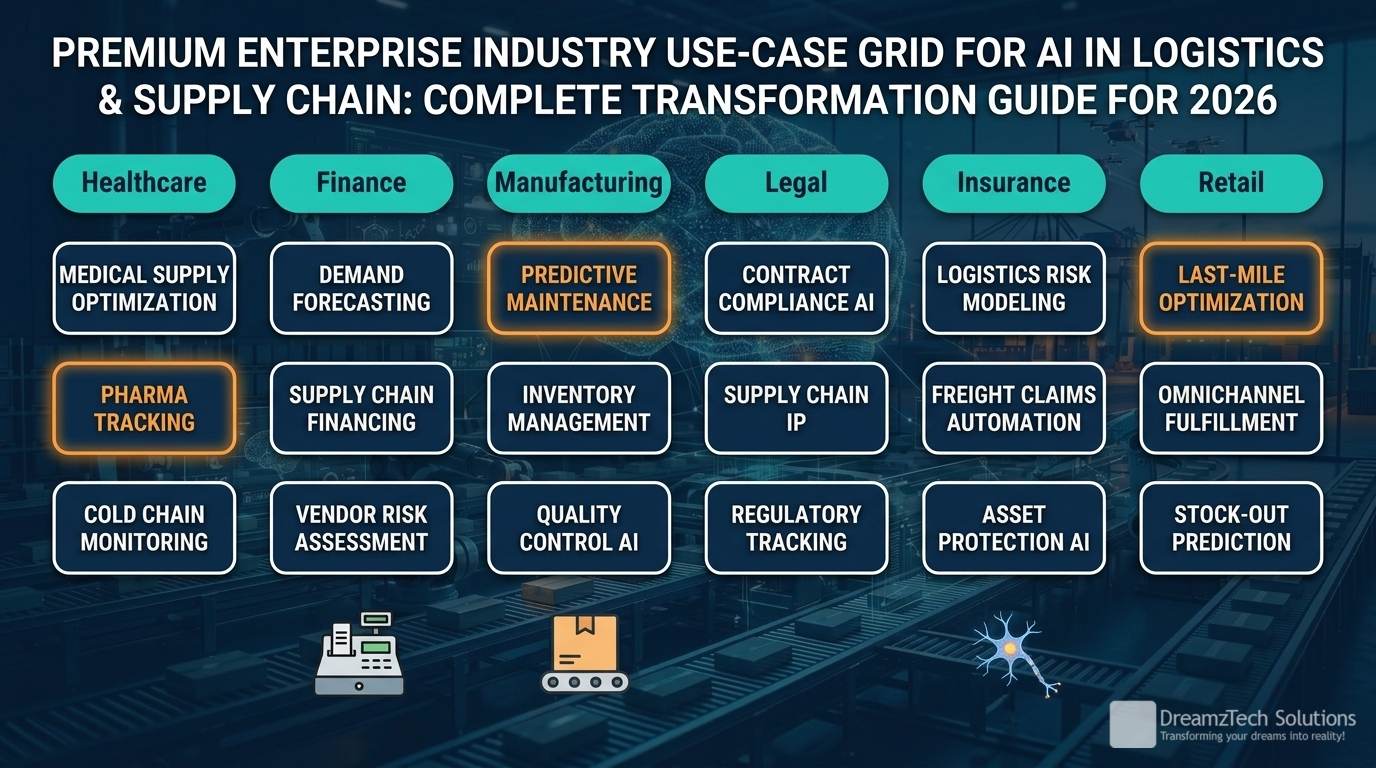
Figure 4: AI in Logistics & Supply Chain: Complete Transformation Guide for 2026 industry use cases
The AI Logistics Technology Buyer’s Checklist
Before you sign a vendor contract or approve a six-figure internal build, run every AI logistics initiative through this checklist. These are the questions that separate transformative deployments from expensive pilots that never reach production scale.
Data Infrastructure Readiness
AI is only as good as the data feeding it. Evaluate your current state honestly against these criteria:
- Data completeness: Do you have 24+ months of clean transactional data (orders, shipments, inventory movements) in a queryable format? Gaps and inconsistencies in historical data are the single most common reason AI demand forecasting pilots underperform.
- Real-time data pipelines: Can your current systems emit events in near-real-time, or do they batch-export overnight? AI route optimization and warehouse orchestration require sub-minute data freshness. Nightly batch exports make real-time AI impossible.
- Data ownership and access: Do your carrier, 3PL, and supplier partners share data with you via API? AI visibility platforms are only as comprehensive as the data they can ingest. If your top carrier doesn’t have an API, that’s a negotiation you need to have before building the platform.
- Cloud infrastructure: AI model training and inference require elastic compute at scale. If your WMS still runs on-premises servers without cloud connectivity, that’s the first infrastructure investment to make. Cloud-based shipping software built on modern cloud architecture gives you the elastic compute backbone that AI workloads demand.
Build vs. Buy vs. Partner Evaluation
This is the most consequential decision in any AI logistics program. Here’s the honest framework:
- Buy (SaaS): Right for generic capabilities where differentiation doesn’t matter—carrier rate shopping, basic TMS routing, standard demand forecasting. Fast to deploy, limited customization, vendor lock-in risk.
- Build (Internal): Right only if you have a world-class internal data science and engineering team and a highly unique operational model that no vendor serves. Most logistics companies don’t meet both criteria. The ones that think they do often spend 18 months and $3M building something a vendor could have deployed in 6 months.
- Partner (Custom Development): The practical choice for most mid-market and enterprise operators. You get custom functionality tailored to your specific workflows, your data, and your integration landscape—without building and maintaining an AI engineering team internally. This is the model DreamzTech uses with logistics clients: we build the custom platform, you own it, your team operates it.
Integration and Interoperability Requirements
An AI logistics platform that can’t talk to your ERP, your carrier network, your WMS, and your customer’s order management system isn’t a platform—it’s an island. Before evaluating any solution, document every system it needs to integrate with and ask vendors specifically how they handle each integration. Demand working API documentation, not PowerPoint slides. Ask for reference customers using the same ERP you use. Integration failure is the number one reason AI logistics projects run over budget and timeline.
Explainability and Human-in-the-Loop Design
AI recommendations that operators don’t trust will be ignored. Period. The best AI logistics systems are designed with explainability as a first-class feature—not an afterthought. Route changes come with a plain-English explanation. Demand forecast adjustments show which signals drove the change. Inventory reorder recommendations display the stockout risk calculation. This matters operationally and it matters for regulatory compliance in regulated industries. Gartner’s AI readiness research consistently shows that operator trust and explainability are the primary determinants of whether AI recommendations are actually acted upon in supply chain contexts.
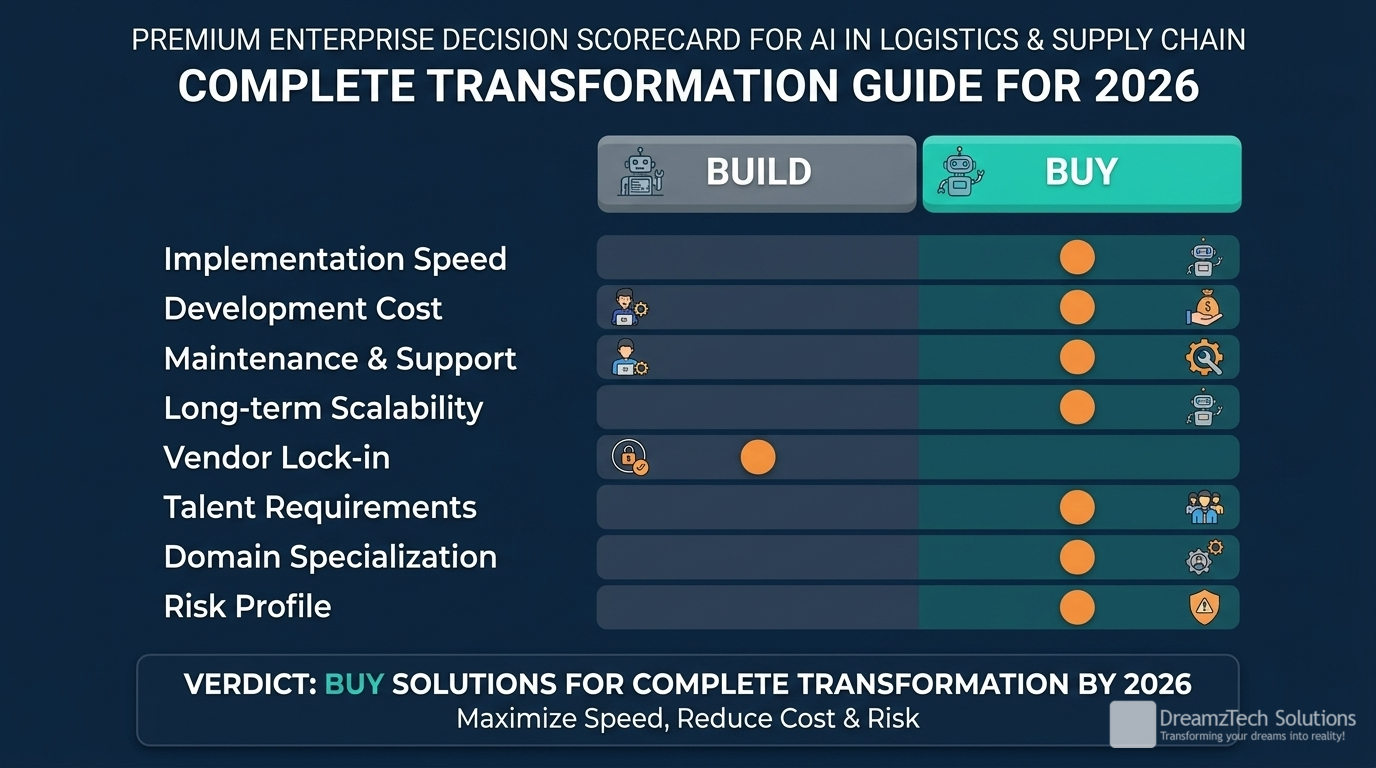
Figure 5: AI in Logistics & Supply Chain: Complete Transformation Guide for 2026 evaluation scorecard
The ROI Data: What AI in Logistics Actually Delivers
Let’s talk numbers. Not vendor-cherry-picked case studies—synthesized findings from independent research that represent realistic outcomes for organizations that successfully deploy AI logistics capabilities at scale.
Demand Forecasting and Inventory ROI
The financial case for AI demand forecasting is the most well-documented in supply chain literature. McKinsey’s Supply Chain 4.0 research quantifies the following outcomes for companies that have fully deployed AI-driven demand sensing:
- Inventory reduction: 20–50% in working capital tied up in safety stock
- Lost sales from stockouts: 65% reduction
- Forecast accuracy improvement: 30–50% reduction in MAPE
- Cash conversion cycle improvement: 15–25 days
For a manufacturer with $50M in annual inventory, a 30% reduction in safety stock requirements frees approximately $15M in working capital. At a 10% cost of capital, that’s $1.5M in annual financial benefit from inventory optimization alone—before counting the revenue impact of reduced stockouts.
Transportation and Last-Mile ROI
AI route optimization consistently delivers 10–25% reductions in transportation cost across documented deployments. In absolute terms, for a regional carrier or retailer running $20M in annual transportation spend, that’s $2–5M in annual savings. The mechanisms include:
- Consolidation optimization: AI identifies shipment consolidation opportunities that human dispatchers miss, reducing LTL costs by shifting freight to FTL where volume justifies it.
- Carrier selection: ML models that score carrier performance on specific lanes by on-time delivery, damage rate, and cost—and automatically award freight to the highest-scoring carrier available.
- Empty mile reduction: For private fleet operators, AI backhaul matching reduces empty miles by 15–30%, directly reducing fuel and driver cost per revenue mile.
Warehouse Productivity ROI
Deloitte’s warehouse automation research documents the following productivity improvements in AI-augmented distribution centers compared to traditional manual operations:
- Pick productivity: 25–40% improvement with AI-guided picking (voice, light, or AMR-assisted)
- Receiving accuracy: 99.5%+ accuracy with computer vision inbound verification vs. 97–98% manual
- Space utilization: 15–20% improvement with AI-driven dynamic slotting
- Labor cost per unit: 30–50% reduction in highly automated facilities
Total Supply Chain ROI: The Integrated Picture
Organizations that have deployed AI capabilities across all five operational layers—not just one or two—report total supply chain cost reductions of 15–25% on an annualized basis, according to McKinsey’s integrated supply chain research. For a business with $500M in revenue and a 12% logistics cost ratio, that’s $9–15M in annual savings—typically with payback periods of 18–30 months for full-stack AI deployments.
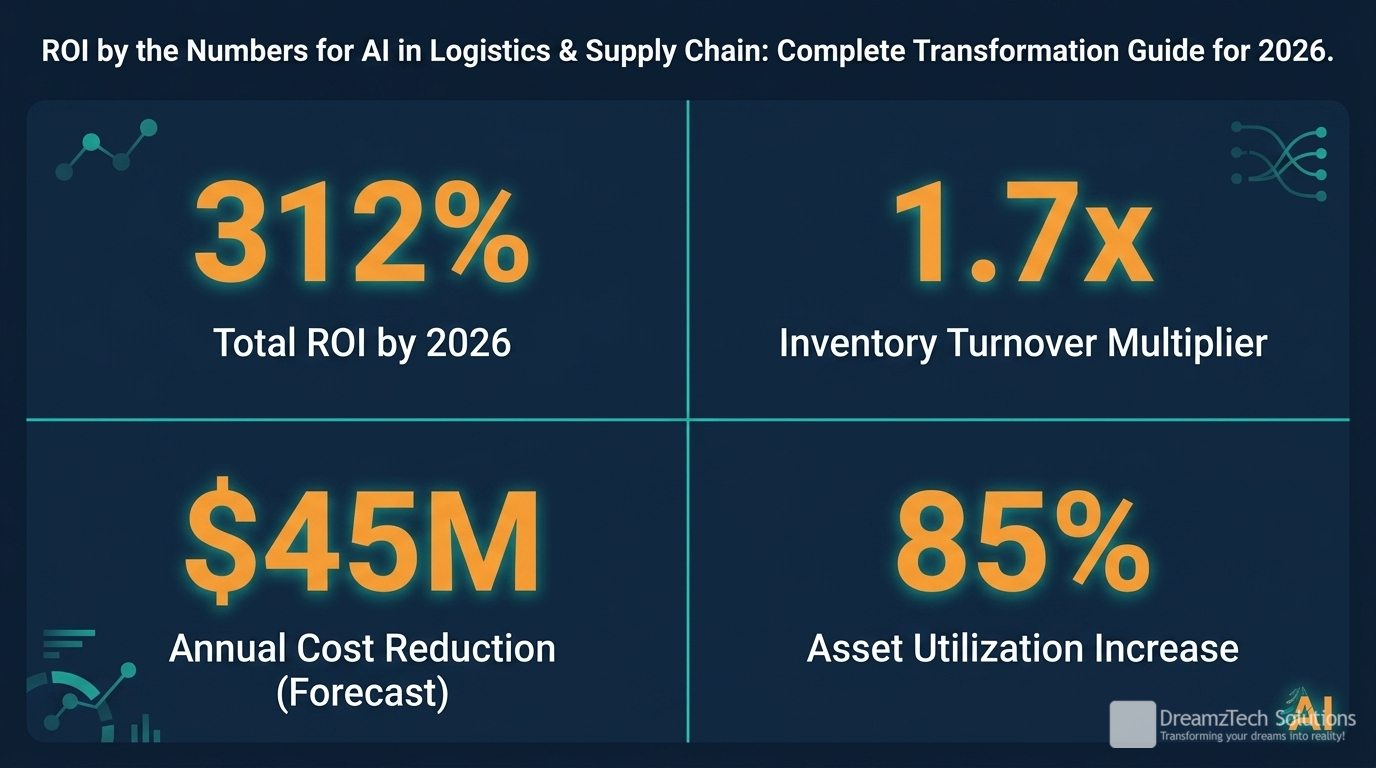
Figure 6: AI in Logistics & Supply Chain: Complete Transformation Guide for 2026 ROI metrics
Common Pitfalls That Kill AI Logistics Initiatives
For every successful AI logistics deployment, there are three that either never reach production or fail to deliver meaningful ROI after launch. The failure patterns are remarkably consistent—and remarkably avoidable if you know what to look for.
Pitfall 1: Piloting Without a Scaling Plan
The AI pilot is the most dangerous phase of any logistics transformation. Pilots are seductive—they show impressive results in controlled conditions, generate executive enthusiasm, and consume resources without delivering operational value at scale. The problem is that most organizations design pilots without answering the three questions that actually determine whether the pilot will scale: Who owns the production deployment? What integration work is required to connect to all real-world systems? What does the change management plan look like for frontline operators? If you can’t answer all three before the pilot starts, the pilot is theater.
Pitfall 2: Underinvesting in Data Engineering
Data science gets the attention. Data engineering does the actual work. The unsexy, critical task of building reliable, clean, real-time data pipelines from your WMS, ERP, TMS, and carrier systems into your AI platform is what separates functional AI from a demo. Organizations routinely underestimate this effort by 3–5x. Plan for it explicitly, staff for it specifically, and don’t let your data scientists start building models before the data engineers have production-grade pipelines running.
Pitfall 3: Buying a Platform That Doesn’t Fit Your Model
The major SaaS vendors—and there are dozens in the logistics AI space—sell platforms designed for median use cases. If your operation is median, that’s fine. But if you run a specialized model—a temperature-controlled 3PL with pharmaceutical clients, a direct-to-consumer fashion retailer with 60% returns, a bulk commodity shipper with complex weight-based pricing—a generic platform will fail you in the edge cases that define your actual business. This is why custom-built solutions from a specialized logistics software development partner often outperform generic SaaS for operations with genuinely differentiated models.
Pitfall 4: Ignoring Change Management
AI route optimization means route planners are doing a different job. AI warehouse orchestration means supervisors are managing exceptions instead of assigning tasks. AI demand sensing means demand planners are reviewing model outputs instead of building models. These are real job changes, and they require real change management—training programs, role redesign, incentive realignment, and leadership communication. The organizations that treat AI deployment as a technology project and ignore the human dimension consistently underperform those that treat it as an organizational transformation that happens to involve technology.
Pitfall 5: Optimizing Locally, Suboptimizing Globally
AI deployed in silos creates a new class of problem: each system optimizes its own objective function, and the combined result is suboptimal for the overall supply chain. The warehouse AI picks faster, creating a surge at the shipping dock. The route optimizer minimizes fuel cost, but the delivery windows it chooses create poor customer experience. The demand forecast reduces safety stock, but the purchasing system hasn’t been reconfigured to order more frequently. AI in logistics needs enterprise-level orchestration—a governing architecture that aligns the objective functions of individual AI systems to the overall supply chain’s strategic goals.
Future Trends: What Comes After 2026
The AI logistics landscape is evolving faster than most vendor roadmaps can track. Three emerging capabilities will define the next wave of competitive advantage in supply chain operations.
Autonomous Supply Chain Decision-Making
The progression of AI autonomy in supply chain follows a predictable arc: AI recommends → AI recommends with confidence score → AI acts with human override → AI acts autonomously within defined parameters → AI acts fully autonomously. Most enterprises are currently between steps 2 and 3. By 2027–2028, the leading operators will have autonomous supply chains where AI executes routine procurement, carrier selection, inventory replenishment, and last-mile routing decisions without human approval—with humans focusing exclusively on exception resolution and strategic planning.
Digital Twins for Supply Chain Simulation
Supply chain digital twins—real-time virtual replicas of your physical supply chain, updated continuously with live data—are moving from experimental to production-ready. The ability to simulate the impact of a port closure, a supplier insolvency, or a demand surge on your specific supply chain network before it happens is qualitatively different from scenario planning with spreadsheets. Gartner predicts that 50% of large global companies will use supply chain digital twins by 2026—enabling real-time what-if analysis that makes supply chain resilience a quantifiable, manageable capability rather than a hope.
Generative AI for Supply Chain Intelligence
Generative AI is entering supply chain management through two high-value applications. First, natural language interfaces that let non-technical supply chain managers query complex data warehouses in plain English (“What’s my on-time delivery rate by carrier for temperature-sensitive shipments over $10K in value in the Southeast region this quarter?”) without SQL or BI tools. Second, AI-generated supplier contract analysis and negotiation preparation—LLMs that can review thousands of supplier agreements, identify non-standard terms, benchmark pricing against market rates, and draft negotiation strategies. Both applications are in production at early adopters today and will be standard by 2027.
The Bottom Line
Three takeaways for supply chain leaders who’ve made it this far:
1. The ROI is real, but it requires full-stack deployment. Point solutions deliver point savings. The 15–25% total supply chain cost reductions that McKinsey and Deloitte document come from integrated AI across demand sensing, warehouse management, transportation optimization, and visibility—not from deploying one AI tool. Budget and plan accordingly.
2. Data infrastructure is your first investment, not your last. Every AI logistics initiative runs on data. Before you invest in AI models, invest in the pipelines, integration architecture, and data governance that make those models reliable. Organizations that do this get to scale faster. Organizations that skip it spend their budgets debugging data quality issues instead of capturing business value.
3. Build for your specific operation, not for the median. The logistics AI vendor landscape is vast and growing. But generic platforms are built for generic operations. If your supply chain has genuine complexity—specialized verticals, unusual volume profiles, differentiated service models—purpose-built solutions that match your operational reality will consistently outperform off-the-shelf tools. Whether you build internally or partner with a specialist, the fit between the technology and your operation is the single biggest predictor of deployment success.
Conclusion
AI in logistics and supply chain management has crossed the chasm from promising experiment to operational necessity. The companies deploying AI across demand forecasting, warehouse management, transportation optimization, and supply chain visibility are building cost structures, service capabilities, and resilience profiles that competitors without AI cannot match—and the gap widens every quarter.
The technology is proven. The ROI is documented. The tools are accessible. What separates the leaders from the laggards in 2026 isn’t access to AI—it’s the willingness to make the organizational and infrastructure investments required to deploy AI at production scale, integrated across the full supply chain, with the change management discipline to make operators actually use it.
If you’re still running monthly demand planning cycles on spreadsheets, dispatching routes with manually-entered stops, and managing warehouse slotting based on gut feel and tribal knowledge—you’re not competing with your peers anymore. You’re competing with their AI systems. And that’s a fight that gets harder to win every single month you wait.
Frequently Asked Questions
1. What is AI in logistics and supply chain, and how is it different from traditional supply chain software?
Traditional supply chain software—ERP, WMS, TMS—is fundamentally a record-keeping and rule-following system. It captures what happened and executes the rules you’ve programmed. AI in logistics and supply chain goes further: it learns from historical patterns, ingests real-time signals from dozens of sources simultaneously, generates probabilistic predictions about future states, and increasingly makes autonomous decisions without human intervention. The practical difference is the shift from reactive management (“our carrier is late, now what?”) to predictive management (“this shipment has a 68% probability of arriving late based on current conditions, here’s the recommended mitigation”). AI systems improve over time as they process more data; traditional software only changes when someone reprograms it.
2. What’s the realistic ROI timeline for an AI logistics deployment?
The honest answer varies significantly by scope and starting point. Point solutions—AI route optimization for a specific fleet, AI demand forecasting for a specific product category—typically show measurable ROI within 3–6 months of production deployment. Full-stack AI transformations across the entire supply chain take 18–30 months to reach full ROI, with meaningful savings beginning to appear at the 6–12 month mark as individual capabilities come online. The most important variable is data infrastructure readiness: organizations with clean, real-time data pipelines already in place consistently reach ROI 40–50% faster than those that have to build data infrastructure first. Organizations running on cloud-based shipping and logistics software already have the connectivity backbone that accelerates AI deployment significantly.
3. How much data does an AI logistics system need to work effectively?
For demand forecasting, the practical minimum is 12 months of clean historical transaction data, with 24–36 months strongly preferred—especially for businesses with strong seasonality. For route optimization, AI models can begin producing value immediately using map data, constraints, and real-time traffic feeds without historical training data. For predictive maintenance, models typically need 6–12 months of sensor data plus failure event history to develop reliable pre-failure signatures. For warehouse slotting optimization, 90 days of pick data is usually sufficient to identify velocity tiers and begin optimizing slotting decisions. The good news: AI models improve continuously as they accumulate more data, so starting earlier—even with imperfect data—is always better than waiting for perfect data.
4. Should we build our AI logistics platform internally or work with a development partner?
Build internally only if you have an existing world-class data engineering and ML operations team, and your supply chain model is genuinely unique enough that no vendor serves it. For most logistics operations, partnering with a specialized development firm delivers custom functionality 60–70% faster than internal builds, at substantially lower total cost when you account for recruitment, team ramp-up, and the institutional knowledge that experienced logistics software engineers bring to the project. The right partner builds on open-source AI frameworks (not proprietary black boxes), delivers source code you own, and designs systems your internal team can operate and extend after delivery. Working with a partner experienced in 3PL and logistics software development ensures the platform is designed from the ground up for the specific data flows, integrations, and operational workflows your business actually uses.
5. How does RFID integrate with AI in warehouse management?
RFID is one of the highest-value data inputs for AI warehouse management systems. Traditional barcode-based WMS requires human scan events to update inventory locations—meaning location accuracy degrades every time a pallet is moved without a scan, which happens constantly in busy DCs. RFID provides continuous, automatic inventory location updates without human intervention, giving AI models a real-time, accurate picture of inventory positions. AI warehouse orchestration systems use this real-time RFID data to make dynamic slotting decisions, optimize pick paths in real time, and detect inventory discrepancies before they become customer-facing problems. A cloud-based RFID warehouse management system with embedded AI can achieve 99.9%+ inventory location accuracy—compared to 97–98% in best-in-class manual WMS environments—with a direct impact on order accuracy rates and picking productivity.
6. What are the biggest integration challenges when deploying AI logistics systems?
The three most common integration challenges are: ERP connectivity (SAP, Oracle, and Microsoft Dynamics implementations vary enormously in their API capabilities and data model completeness—many require custom middleware to expose the right data at the right frequency); carrier API fragmentation (the carrier ecosystem has hundreds of API standards, EDI formats, and web portals, with no universal standard—building reliable carrier connectivity requires handling each carrier’s quirks individually); and legacy WMS limitations (many warehouse management systems running today were designed before real-time APIs existed and can only export data in batch files—making real-time AI orchestration impossible without infrastructure modernization). Experienced logistics software teams have prebuilt connectors for the most common ERP, WMS, and carrier systems, which dramatically reduces integration time and risk.
7. How does AI in logistics handle supply chain disruptions and black swan events?
AI is exceptionally good at pattern recognition within the distribution of historical events—and less reliable for true black swan events that have no historical precedent. The practical approach is a two-layer architecture: AI handles optimization and prediction for the 95% of scenarios that fall within the range of historical experience (weather disruptions, port congestion, carrier capacity tightness, demand spikes), while human judgment and scenario planning handle the tail-risk scenarios that require creative problem-solving and stakeholder relationships. The best AI logistics platforms are designed with human-in-the-loop escalation protocols—where AI autonomy is automatically reduced when confidence scores fall below thresholds, and human operators are alerted to take control. Real-time RFID logistics tracking combined with AI-powered visibility platforms ensures that when disruptions occur, you have accurate inventory and shipment data to make rapid contingency decisions.
8. What does an AI logistics implementation project typically look like, and how long does it take?
A well-structured AI logistics implementation follows four phases: Discovery and data assessment (4–6 weeks)—documenting current systems, data flows, integration requirements, and success metrics; Foundation build (8–16 weeks)—building data pipelines, integration connectors, and the core AI model infrastructure; Pilot deployment (6–12 weeks)—deploying the first AI capability in a limited operational scope with close monitoring and model tuning; and Scale deployment (8–16 weeks)—expanding to full operational scope, additional capabilities, and completing change management programs. Total timeline for a focused implementation (one or two AI capabilities) runs 6–12 months. Full-stack logistics AI transformation runs 18–30 months. Timeline is heavily influenced by the complexity of existing system integrations and the readiness of your data infrastructure at project start.
9. Is AI in logistics only for large enterprise companies, or can mid-market operators benefit?
This is one of the most important questions in the space right now—and the answer has shifted dramatically in the past three years. In 2021, full-stack AI logistics was largely the domain of companies with $1B+ in revenue and dedicated data science teams. In 2026, the combination of cloud-based AI services, open-source ML frameworks, pre-built logistics AI components, and experienced development partners has made sophisticated AI logistics accessible to operators with as little as $20–50M in annual logistics spend. The economics work at mid-market scale because the percentage improvements AI delivers (10–25% in transportation, 20–40% in inventory) apply to whatever base you start from. A $30M transportation spend with 15% AI optimization savings still generates $4.5M in annual benefit—more than enough to justify the investment in a purpose-built platform or a focused SaaS deployment.